Insights · Web Design
2025 Web Design: 10 Top Trends Canadian Brands Shouldn’t Ignore
The digital world doesn’t wait. Every scroll, click, and tap shapes a user’s impression of your brand—and if your website doesn’t meet modern expectations, your competitors will. In 2025, Canadian consumers are interacting with brands across more devices, platforms, and channels than ever before. And through it all, your website remains the central touchpoint—your first impression, your credibility check, and your most important marketing asset.
But here’s the thing: What worked yesterday might not resonate today. From user behaviour to search engine algorithms to aesthetic preferences, the web design landscape is constantly evolving. Static websites and outdated visual identities no longer cut it. Today’s users want immersive experiences, meaningful interactions, and websites that feel as intuitive as they are impactful.
That’s where smart design meets strategic branding.
At Envy Design Co., a trusted Canadian graphic design agency, Canadian branding agency, and Canadian web design agency, we believe web design should do more than look good. It should build trust, tell your story, and drive real business results. We partner with Canadian brands that understand the web isn’t just a platform—it’s a dynamic space where your brand identity lives, breathes, and grows.
So why do design trends matter?
Because web design isn’t just about keeping up—it’s about standing out. It’s about leveraging technology, psychology, and aesthetics to deliver experiences your audience remembers. And in a competitive Canadian market, where brand loyalty is hard-earned and easily lost, being visually current and functionally advanced sets you apart.
In this blog, we’re diving deep into the 10 web design trends for 2025 that Canadian businesses can’t afford to ignore. These trends are shaping the digital landscape not just in form, but in function. From bold brutalist aesthetics to subtle microinteractions, from sustainability-driven UX to AI personalization, these aren’t gimmicks—they’re strategic tools for growth.
Whether you’re rebranding, redesigning, or just staying informed, this guide will help you future-proof your digital presence and ensure your website evolves with the people it serves.
Let’s explore what’s next—and how your brand can lead the way.
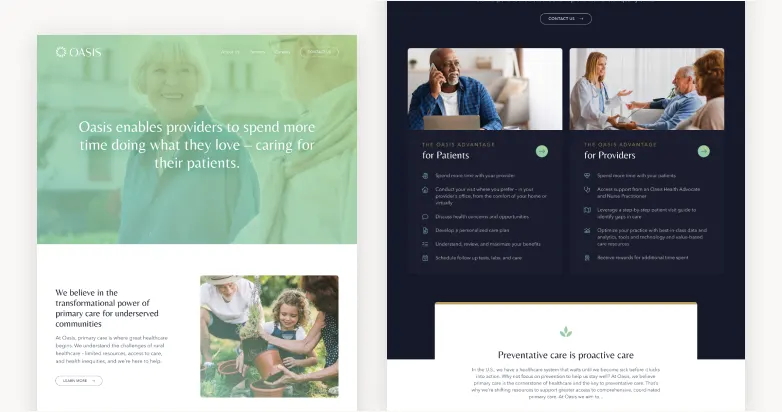
1. Neo-Brutalism: Embracing Raw Aesthetics
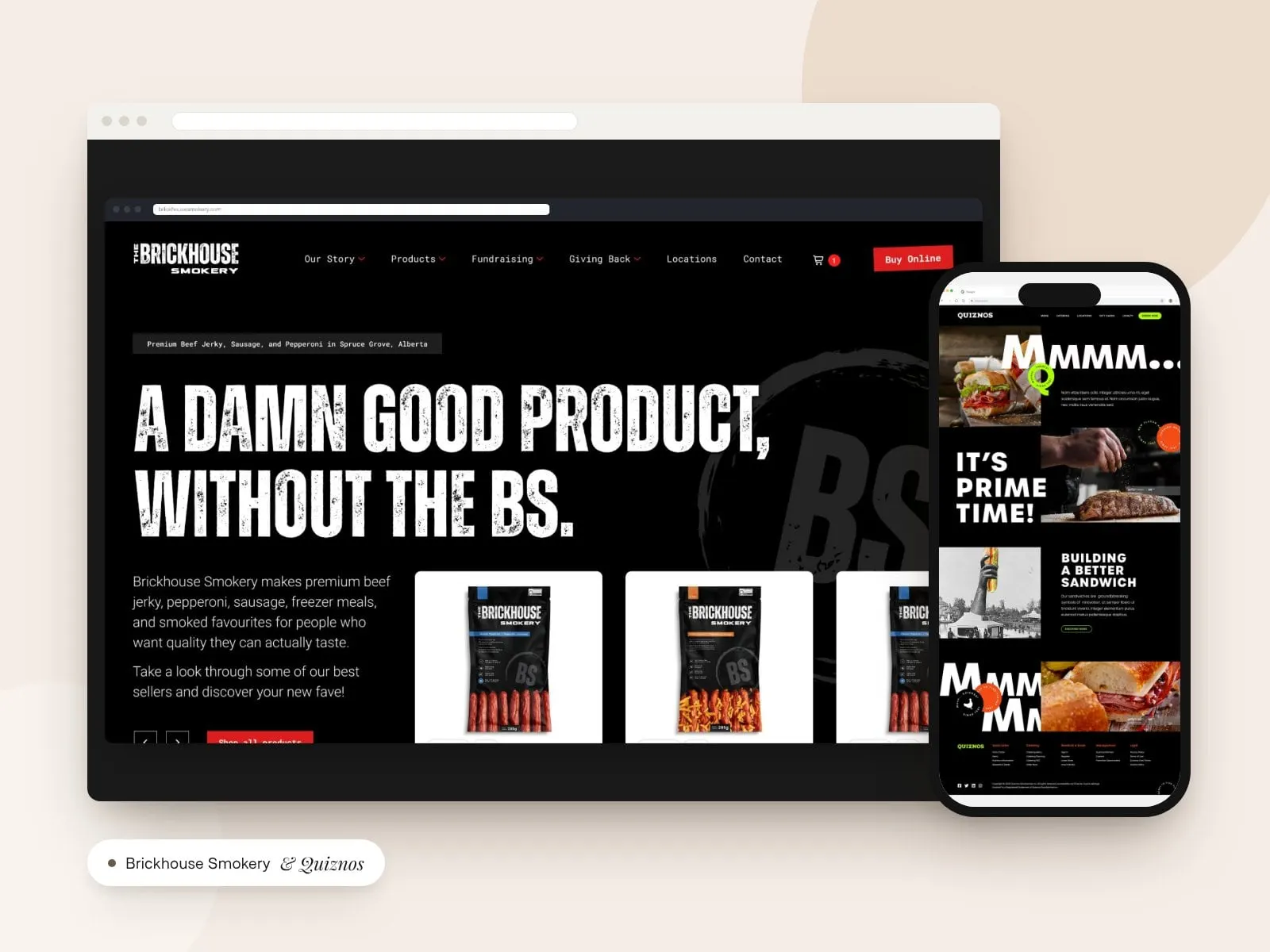
In the world of web design, aesthetics play a key role in shaping the first impression of a brand. Neo-brutalism, a trend that has been gaining momentum in 2025, offers an approach that is both bold and unrefined. It’s about embracing raw, honest design with unapologetic typography, stark colour contrasts, and minimalist layouts. This trend moves away from the smooth, polished visuals often seen in traditional web design, instead opting for designs that convey a sense of authenticity and transparency.
For Canadian brands, neo-brutalism offers an opportunity to connect with an audience that values realness and honesty. The approach can make your website feel more human and approachable. As a Canadian graphic design agency, we believe that this aesthetic can truly help businesses make a memorable mark in a crowded digital marketplace. With bold and daring visuals, neo-brutalism allows Canadian brands to stand out while sending a message of confidence and transparency.
This design philosophy is perfect for brands that want to showcase a no-nonsense, bold identity. It also works well in industries like tech startups, art galleries, and independent businesses that value simplicity without compromising on personality.
2. Microinteractions: Enhancing User Engagement
Microinteractions are the small, often subtle design elements that interact with users as they engage with a website. These tiny moments—like button hover effects, loading animations, or notifications—are more than just visually appealing; they enhance the user’s experience by making it feel more intuitive and responsive. For example, a button changing colour or animating when clicked not only provides feedback but also makes the user feel more in control of the digital environment.
As a Canadian branding agency, we understand that microinteractions can significantly elevate a brand’s user experience, showing visitors that your website is not just functional but also thoughtfully designed. These interactions create a sense of flow and engagement that encourages users to stay on your website longer, ultimately enhancing conversion rates.
By incorporating these small but impactful details into your website, Canadian brands can create a more dynamic, engaging experience that aligns with modern expectations. Microinteractions also help establish a deeper emotional connection with the user, something that goes beyond aesthetics to influence their overall satisfaction with your brand.
3. Minimalism: Focusing on Clarity and Functionality
Minimalism is a timeless web design trend that is still highly relevant in 2025. With an increasing focus on user experience (UX), minimalist web design strips away unnecessary elements, allowing visitors to focus on what truly matters. By removing clutter and simplifying layouts, minimalist designs make websites more accessible and easier to navigate.
For Canadian web design agency clients, embracing minimalism means that every design choice, from typography to colour schemes, has a clear purpose. This approach creates a clean, streamlined user experience where the information you want to highlight stands out. It not only makes your website faster and more efficient but also aligns with the preferences of modern users who are looking for straightforward, distraction-free interactions.
Minimalist design is not just about aesthetics—it’s about improving functionality. It leads to quicker load times, a more intuitive navigation system, and better mobile responsiveness. For Canadian businesses looking to optimize their online presence, adopting a minimalist design approach could enhance user satisfaction and improve conversion rates.
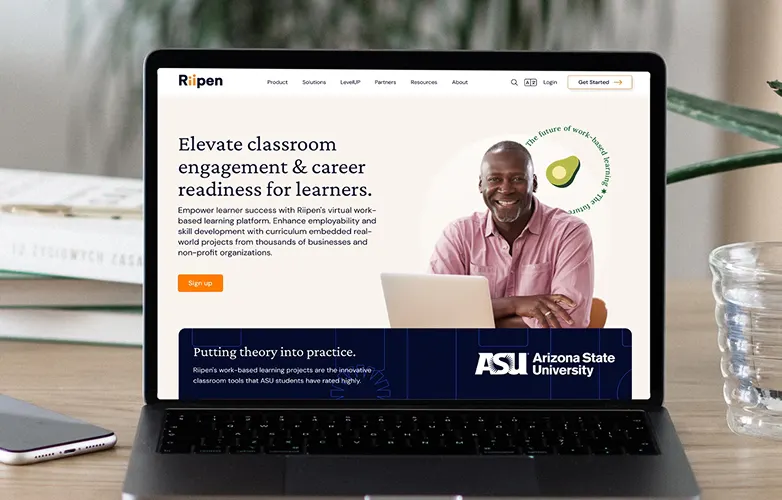
4. AI-Driven Personalization: Tailoring User Experiences
Artificial intelligence (AI) is revolutionizing the way websites interact with users, enabling businesses to provide highly personalized experiences. Through advanced algorithms and data analytics, AI can track user behaviour on a site and offer tailored content, product suggestions, and dynamic layouts that respond to each individual’s preferences and needs.
As a Canadian graphic design agency, we recognize how AI-driven personalization can take user engagement to the next level. For Canadian businesses, the ability to deliver unique, personalized content based on user activity can result in higher engagement, increased retention, and improved conversion rates. By leveraging AI, brands can deliver what users want, when they want it, all while creating an experience that feels intuitive and human.
For example, e-commerce websites can use AI to recommend products based on browsing history, while content-based sites can suggest articles or videos that align with the visitor’s interests. The more tailored the experience, the more likely users are to return and convert.
5. Interactive Storytelling: Engaging Through Narratives
Interactive storytelling is one of the most exciting web design trends in 2025. This technique merges visuals, animations, and user interaction to create an immersive experience where users are actively involved in the narrative. Instead of passively scrolling through a page, users get to interact with elements that unfold the brand’s story in a way that feels personal and engaging.
For Canadian branding agency clients, interactive storytelling offers a powerful way to connect with audiences. Whether it’s showcasing your brand’s history, explaining your products’ benefits, or sharing your mission, this trend allows Canadian businesses to craft compelling narratives that resonate with users on a deeper level. Our heritage-inspired website for Grills Orchards, a family orchard and farm store founded in 1916, is built around exactly this kind of story.
Interactive storytelling builds emotional connections by turning visitors into participants, not just passive observers. By guiding users through an engaging experience, you can showcase your values and communicate your brand’s voice in a way that leaves a lasting impression. For Canadian brands, this technique allows you to tell your story in a fresh and creative manner, helping you to stand out from the competition.
6. Mobile-First Design: Prioritizing Mobile Users
With mobile internet usage surpassing desktop, the demand for mobile-first design has never been greater. In 2025, websites that aren’t optimized for mobile devices will likely lose out on a significant portion of potential customers. Mobile-first design ensures that websites are designed and developed with mobile users in mind, prioritizing performance, usability, and responsiveness on smaller screens.
For Canadian brands, adopting a mobile-first approach is essential to ensure that all users—whether browsing on a smartphone, tablet, or desktop—have a seamless and enjoyable experience. As a Canadian web design agency, we emphasize the importance of responsive design that adapts to any device, ensuring your brand stays relevant in a mobile-driven world.
Not only does mobile-first design improve accessibility, but it also boosts performance by reducing load times, simplifying navigation, and enhancing the overall mobile experience. As more consumers rely on their mobile devices to shop, search, and interact with brands, optimizing your site for mobile is no longer optional—it’s a necessity.
7. Dark Mode: Offering Visual Comfort
Dark mode continues to gain popularity due to its aesthetic appeal and practical benefits, such as reducing eye strain. It’s a design choice that’s especially appreciated by users who spend long hours on their devices, as the darker colour scheme is easier on the eyes and can extend battery life on OLED screens.
As a Canadian graphic design agency, we recommend implementing a dark mode option on your website, giving users the freedom to choose their preferred viewing experience. This flexibility not only enhances user satisfaction but also aligns with modern digital design trends that cater to user comfort.
For Canadian businesses, offering dark mode can also be a great way to differentiate your website. It’s a design feature that demonstrates innovation and responsiveness to user needs, enhancing the overall user experience. Plus, it’s visually appealing—creating a more stylish and contemporary look for your brand.
8. Voice User Interfaces (VUIs): Embracing Voice Search
With the rise of voice-activated assistants like Siri, Alexa, and Google Assistant, integrating Voice User Interfaces (VUIs) into web design is becoming increasingly important. VUIs allow users to interact with a website using voice commands, offering an entirely new level of accessibility and convenience.
For Canadian businesses, adopting VUIs can keep your brand ahead of the curve and provide users with an alternative, hands-free way to access information. As a Canadian web design agency, we understand the importance of voice search in improving the user experience, particularly for those who rely on voice commands to navigate websites.
Incorporating VUIs into your website design allows your brand to stay competitive in a world where voice search is becoming the norm. It’s a forward-thinking feature that shows your commitment to providing users with an innovative, accessible, and efficient browsing experience.
9. Sustainable Web Design: Promoting Eco-Friendly Practices
Sustainability is no longer just a buzzword—it’s becoming a core value for businesses and consumers alike. In web design, sustainability focuses on creating energy-efficient websites that minimize environmental impact. This involves optimizing images, reducing code bloat, and choosing green hosting services that reduce carbon footprints.
As a Canadian branding agency, we believe that sustainability in web design is essential for Canadian businesses that want to reflect their commitment to the environment. Adopting eco-friendly practices not only helps reduce your website’s carbon footprint but also communicates to your audience that you care about their values.
Sustainable web design is about making responsible decisions—choosing energy-efficient design practices, reducing unnecessary resource consumption, and being mindful of the environmental impact of your online presence. For Canadian brands, embracing these practices can help build a positive reputation while contributing to a more sustainable future.
10. Advanced Accessibility: Ensuring Inclusive Design
Web accessibility ensures that websites are usable by people with disabilities, such as those with visual, auditory, or motor impairments. Features like keyboard navigation, screen reader compatibility, and appropriate colour contrast are essential for creating an inclusive user experience.
As a Canadian web design agency, Envy Design Co. is committed to building accessible websites that comply with international standards and regulations. This focus on accessibility not only ensures that your website is available to all users but also strengthens your brand’s reputation as a socially responsible company.
Prioritizing accessibility also demonstrates that your business values inclusivity and strives to make its services available to everyone, regardless of their physical abilities. For Canadian businesses, it’s not just about meeting legal requirements—it’s about offering an equal experience to all users.
Conclusion: Partnering with Envy Design Co.
Navigating the dynamic landscape of modern web design isn’t just about keeping up with trends—it’s about knowing which trends truly align with your brand’s goals and your audience’s expectations. That’s where expert guidance becomes indispensable.
At Envy Design Co., we’re more than just a Canadian web design agency—we’re your creative partners in digital growth. As a full-service Canadian graphic design agency and Canadian branding agency, we bring a strategic blend of visual storytelling, UX innovation, and technical excellence to every project. Our mission is simple: to help Canadian businesses stand out, scale up, and succeed online.
The trends we’ve outlined for 2025—brutalism, minimalism, microinteractions, inclusive design, AI personalization, and more—are powerful tools when used with purpose. But implementing them effectively takes more than aesthetics. It takes a team that understands the nuances of design psychology, SEO, responsive performance, and how to turn a visual experience into a conversion engine. That’s exactly what we deliver.
Whether you’re a startup looking to launch with impact, a growing business preparing for a full rebrand, or an established company ready to modernize your online presence, our team is ready to help. We don’t believe in cookie-cutter solutions—we believe in custom-crafted websites that reflect your brand’s essence and speak directly to your market.
Working with Envy Design Co. means working with a team that listens, strategizes, and creates with intention. We understand what it takes to compete and win in the Canadian digital space. With every pixel, we design for clarity, engagement, and lasting connection.
Let’s build something bold, functional, and future-ready together.
Ready to elevate your web presence and bring your brand vision to life? Contact Envy Design Co. today to schedule your personalized consultation. Together, we’ll transform your website into a powerful digital asset that drives results in 2025—and beyond.
Frequently asked questions
What are the top web design trends for 2025?
The 10 trends covered here are neo-brutalism, microinteractions, minimalism, AI-driven personalization, interactive storytelling, mobile-first design, dark mode, voice user interfaces, sustainable web design and advanced accessibility.
Not every trend suits every business. Neo-brutalism's bold, raw style can make a creative brand stand out but might feel wrong for a healthcare clinic, while mobile-first design, accessibility and sustainable practices are worth adopting almost everywhere. The smart approach for Canadian brands is to choose trends that support your goals and audience, rather than chasing every new look. Trends work best when they make a website easier to use, faster or more memorable, not just more fashionable.
Is minimalism still relevant in web design?
Yes. Minimalism strips away unnecessary elements so visitors can focus on what matters, which also tends to mean faster load times, more intuitive navigation and better mobile responsiveness.
Minimalism in web design doesn't mean boring or empty. It means making deliberate choices about what earns a place on the page, using white space, clear typography and a focused colour palette to guide attention. It pairs well with other trends, like subtle microinteractions or bold typography, to add personality without clutter. For many Canadian businesses, a minimalist approach also makes content easier to read on phones and helps visitors find what they came for faster.
What is sustainable web design?
Sustainable web design means building energy-efficient websites with a smaller environmental footprint, for example by optimizing images, reducing code bloat and choosing green hosting.
Every page load uses energy, from data centres to networks to the visitor's device. Leaner websites use less of it. Practical steps include compressing and correctly sizing images, limiting heavy videos and animations, avoiding unnecessary plugins and scripts, and choosing hosting providers that use renewable energy. Many of these choices also make your website faster, which helps user experience and SEO. Sustainable web design is a good example of a trend where doing the right thing and doing the smart thing line up.
Why does mobile-first design matter for Canadian businesses?
Mobile internet usage now surpasses desktop, so sites that are not designed for smaller screens risk losing a large share of potential customers. Mobile-first design prioritizes performance, usability and responsiveness on phones, then scales up.
For Canadian businesses, that means designing for people checking your site on the go: tap-friendly buttons, readable text without zooming, fast-loading pages and forms that are easy to complete on a small screen. Mobile-first design also tends to produce clearer, more focused websites overall, because it forces you to prioritize what matters most. Search engines consider mobile usability too, so a strong mobile experience supports your SEO as well as your customers.
Keep reading