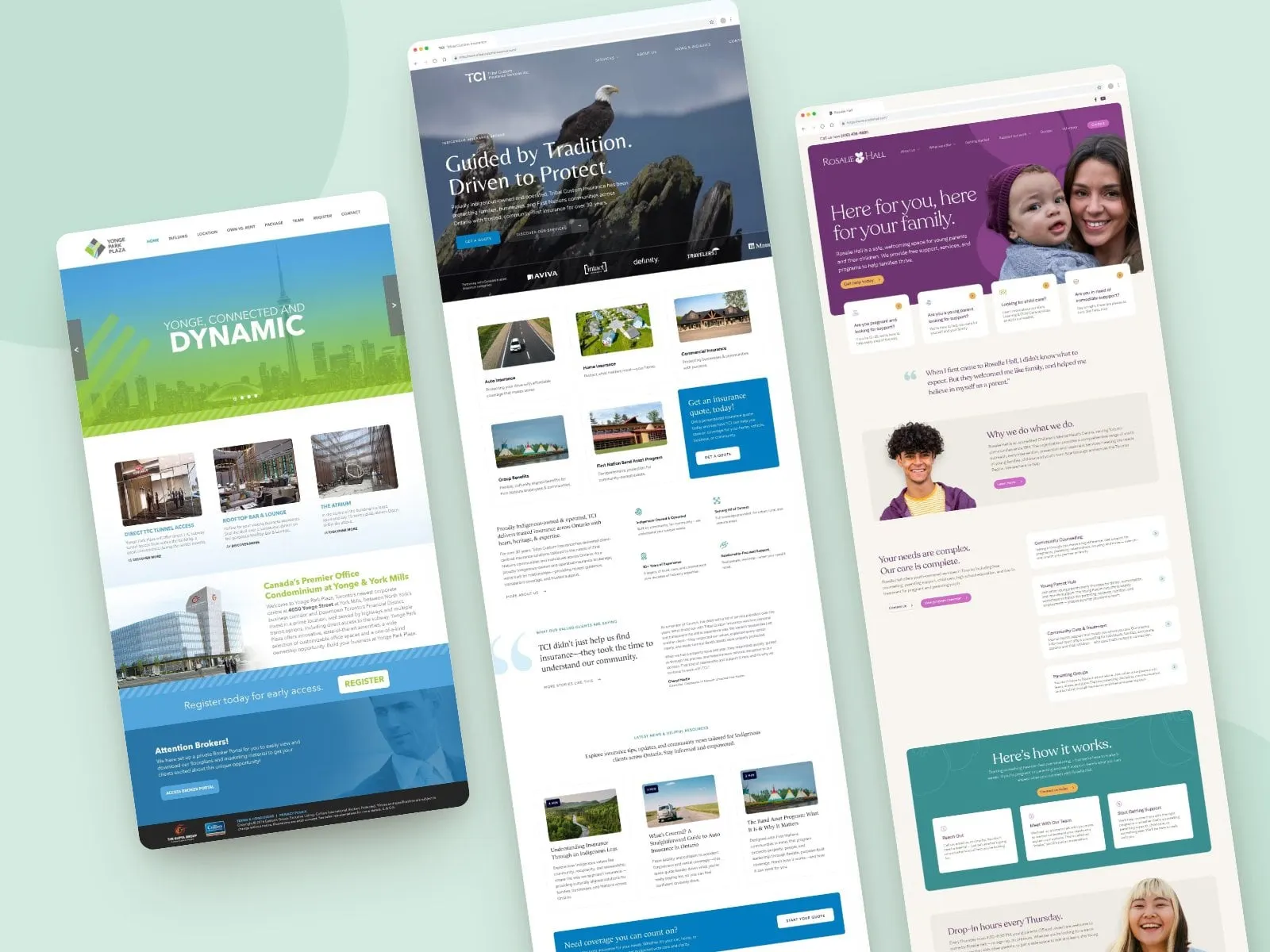
Good websites don’t happen by accident.
They’re designed with intention, built with precision, and rooted in a brand strategy that gives every decision a reason. That’s how we do it. Every time.
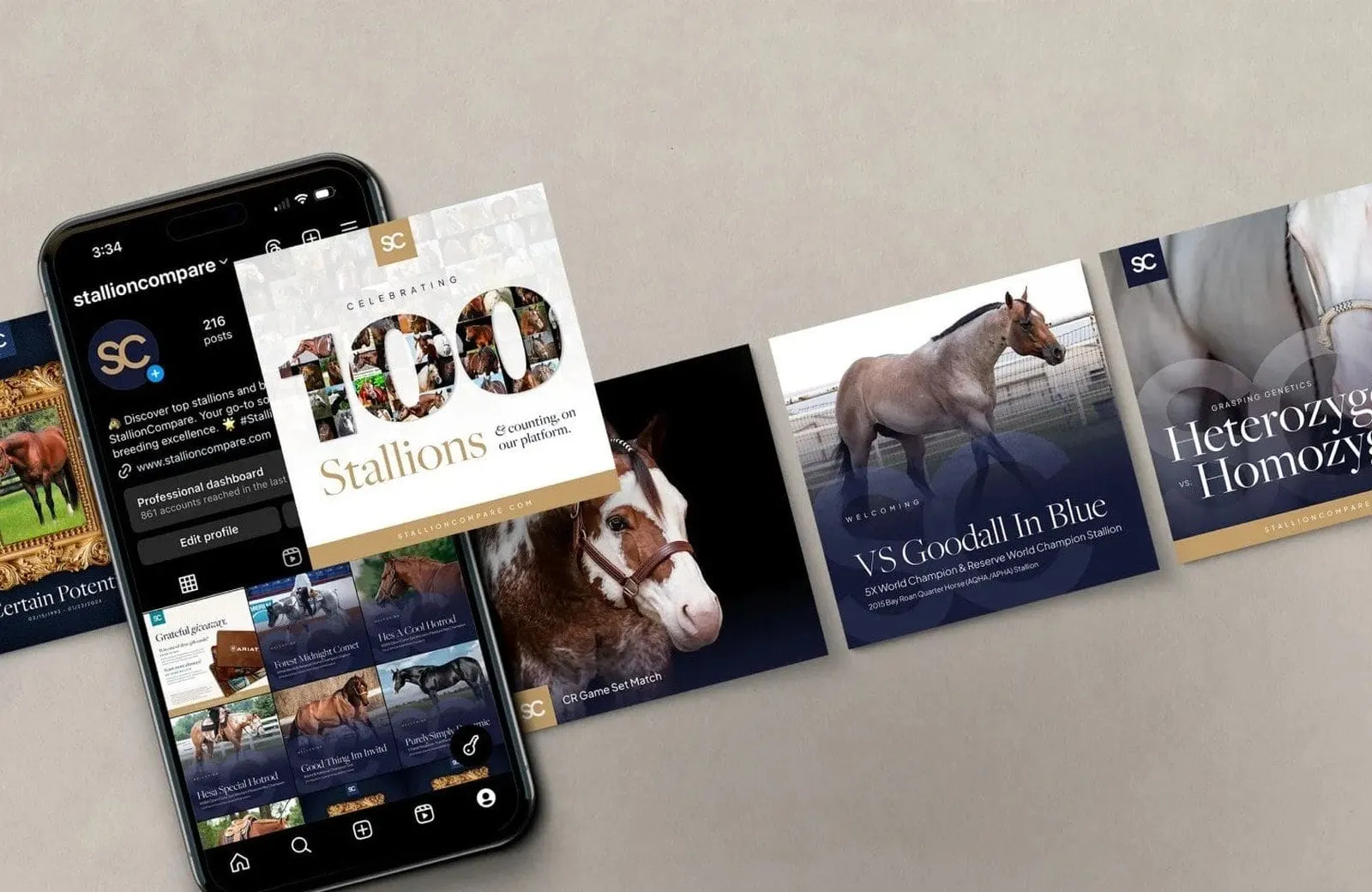
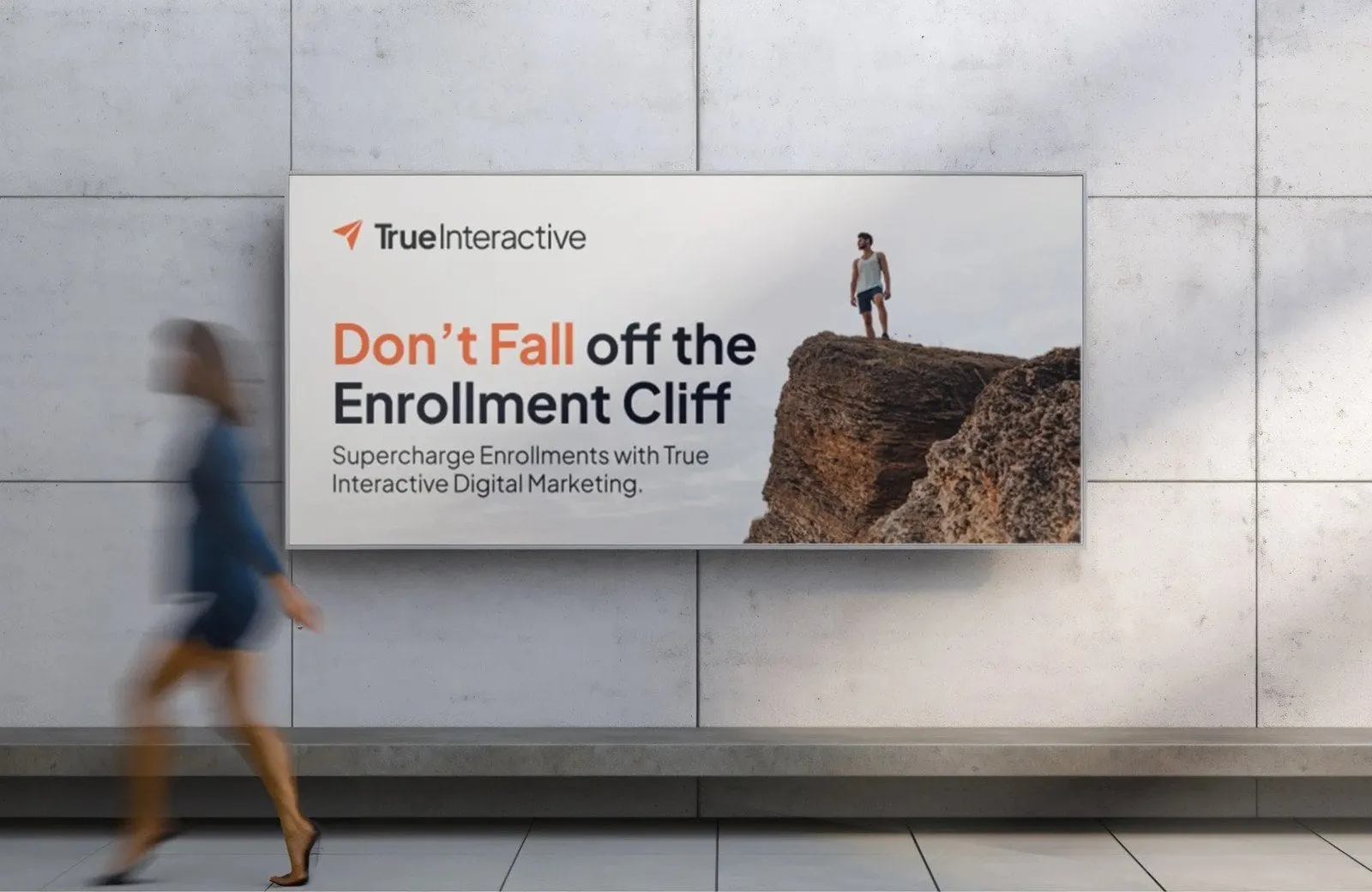
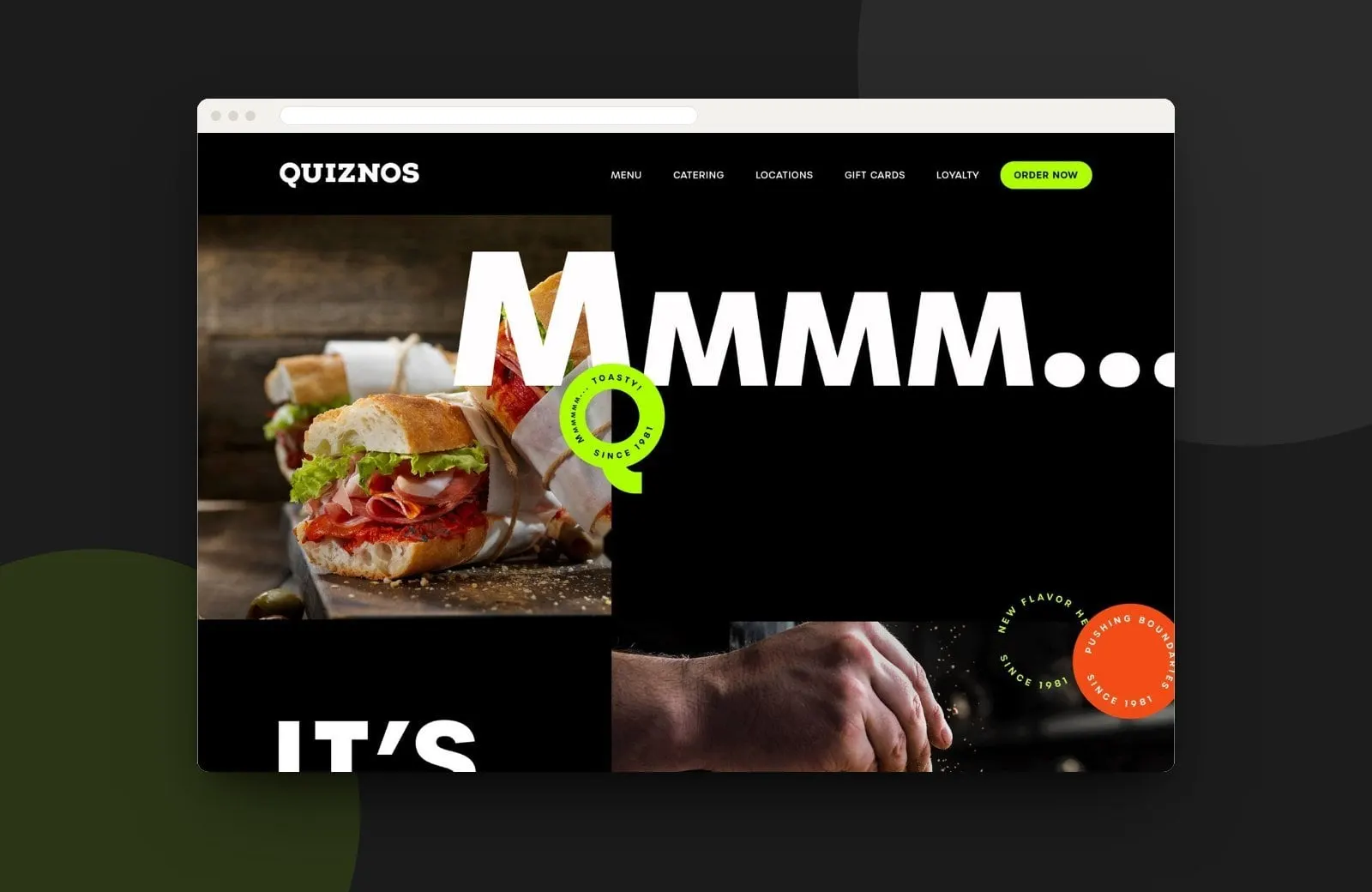
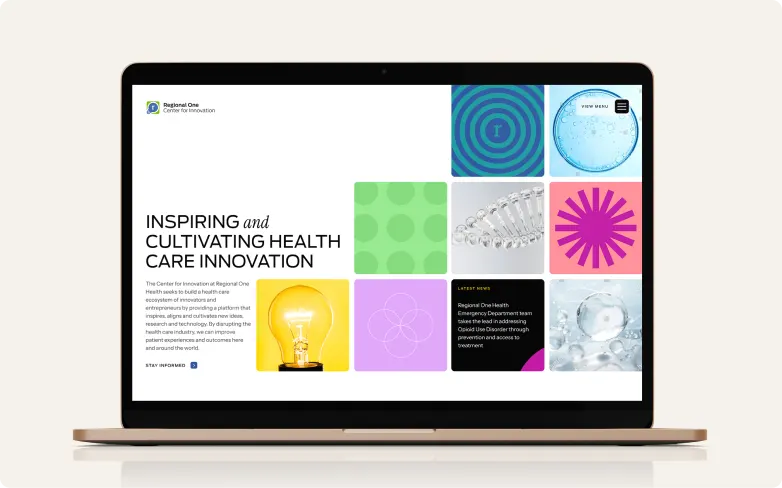
Trust is earned in milliseconds. Great design makes it happen before anyone’s read a word. It starts with understanding your brand deeply enough to make decisions you’d make yourself. Layout, colour, typography, interactions. Every choice is intentional. Nothing is there by accident.
We’ve earned some good company. Recognize anyone?










Every industry has its own rules. We design for all of them.
No two industries are the same. Neither are any two websites we build. Whether you’re a contractor trying to win more bids or a clinic trying to put patients at ease, we design for what your customers actually need to see.
From startups to established brands ready for something new — see what a redesign from Envy looks like.
From first conversation to final launch — here’s how we work.
Every Envy website follows the same process — because shortcuts show up in the final product. From the first discovery session to the day we hand over the keys, every phase has a purpose. Here’s what that looks like.
-
01Discover
Strategic Discovery
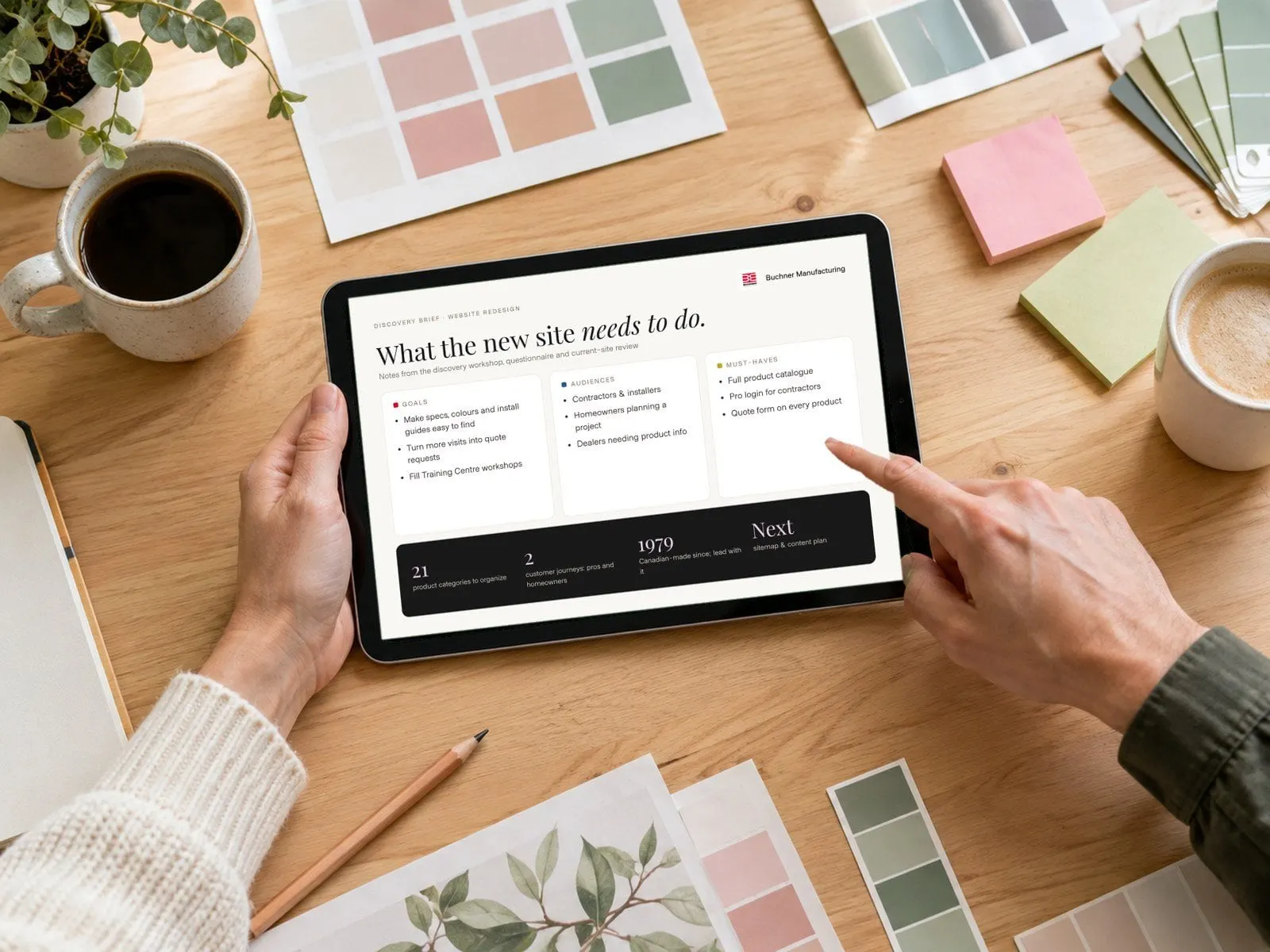
Before a single page is designed, we learn your world. Every website design project begins with a comprehensive discovery process: a detailed brand questionnaire, competitive and industry research, audience personas, and two distinct design direction concepts presented as moodboards.
By the time we’re done, we know your business, your customers and your market well enough to make the decisions you’d make yourself. You get a clear creative direction to react to, and everything after it, starting with the sitemap, is built on insight instead of guesswork.
-
02Plan
Sitemap & Content Strategy
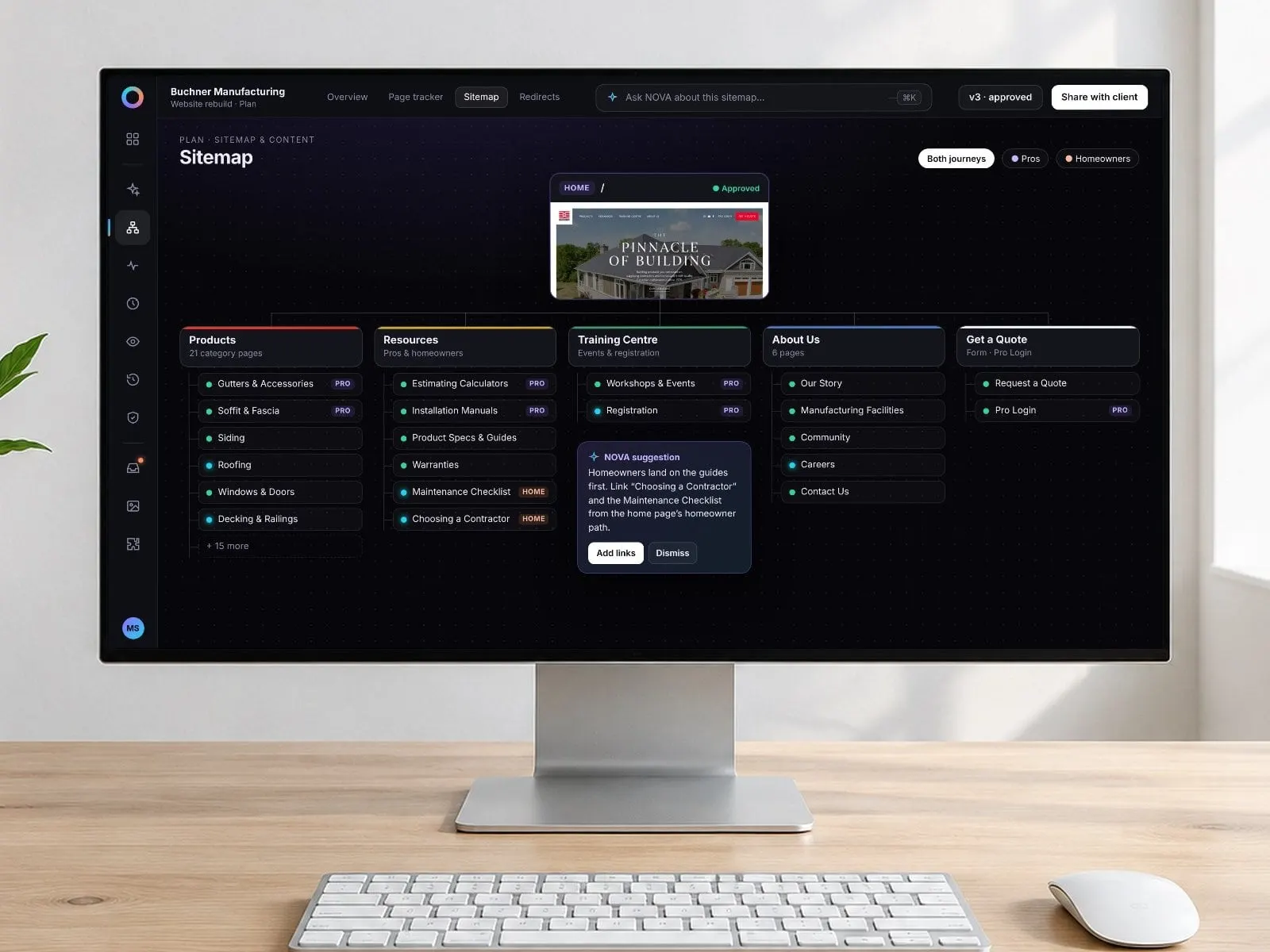
We map every page and the journey between them: what each page needs to say, who it’s for, and the action it should lead to. Content and SEO are planned together, so the structure works for people and for search, with the phrases your customers actually type matched to the pages that should rank for them.
You come away with a sitemap and content plan you can see, question and approve. It also tells us exactly what the wireframes need to hold.
-
03Structure
Wireframes
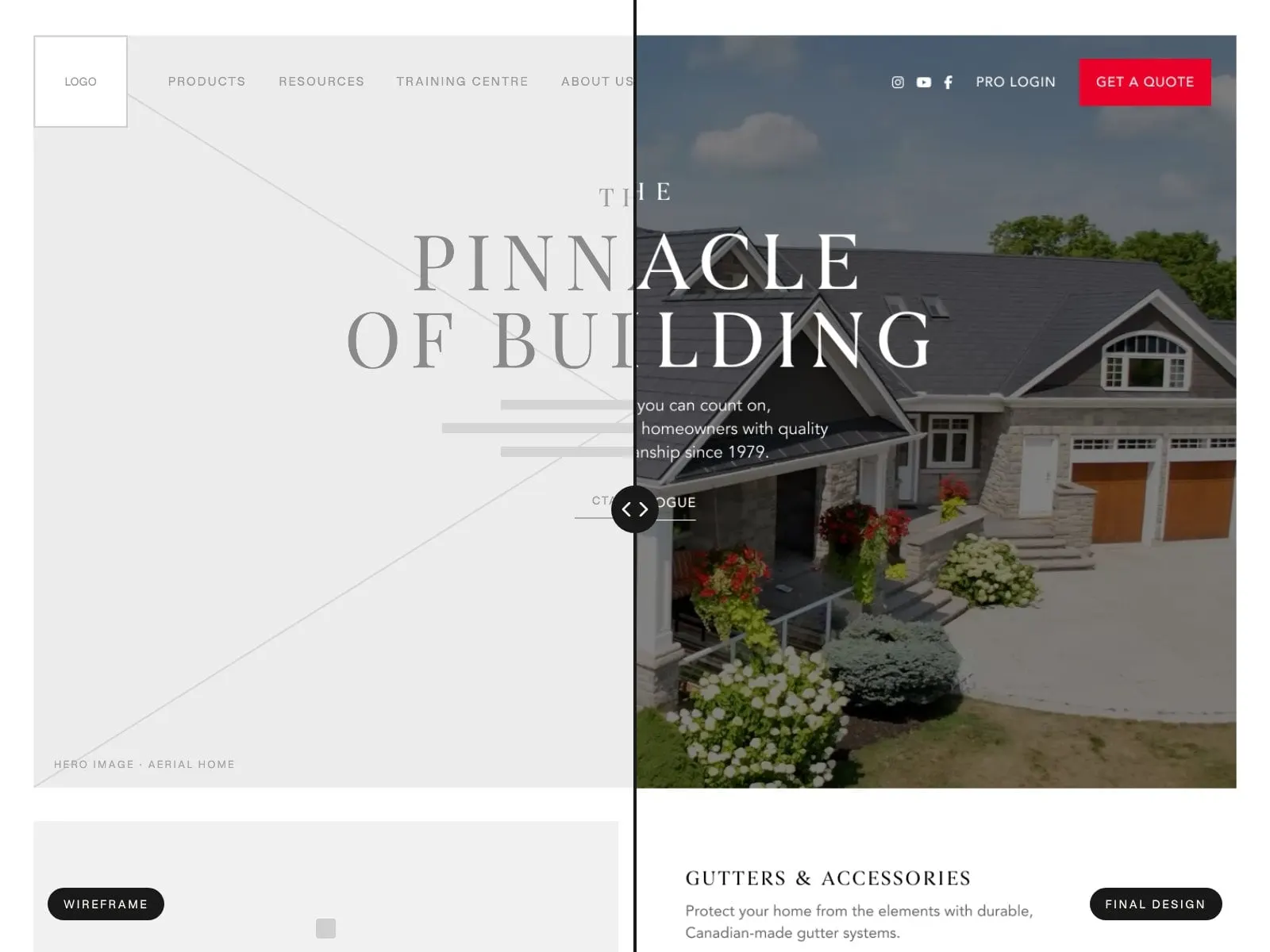
Wireframes are low-fidelity layouts that settle hierarchy and flow before visual design begins. Grey boxes, real headings, clear calls to action. It’s the cheapest moment in the project to move things around, so this is where we sort out what goes where on each key page.
With no colour or styling in the way, feedback is about how the site works, not which shade of blue. Once the bones are agreed, we can design the homepage knowing the structure underneath it is sound.
-
04Design
Homepage Design
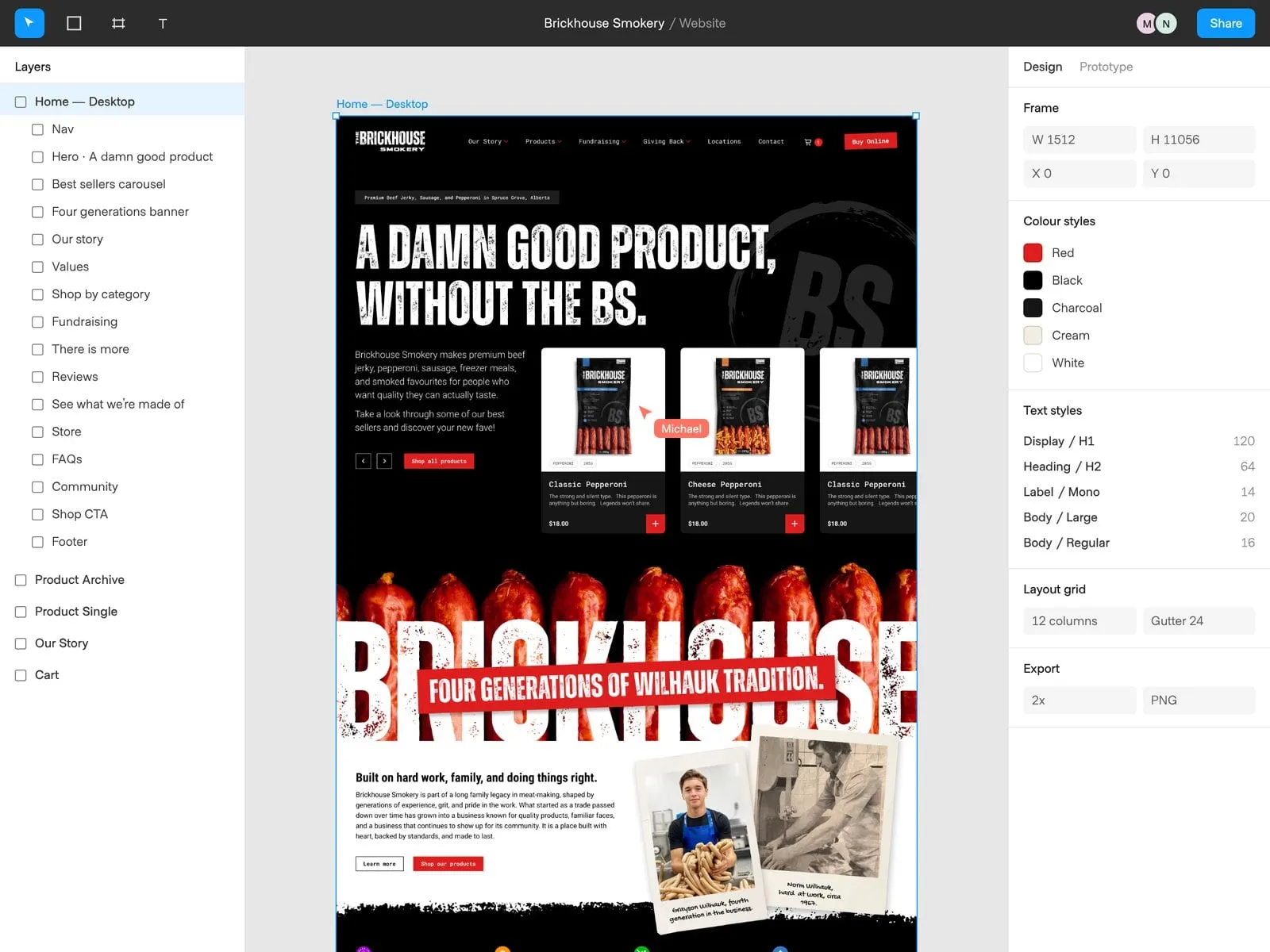
We design the homepage first, in your brand, as the blueprint for the whole website. Typography, colour, imagery, buttons and spacing all get decided here, on a real page rather than in the abstract.
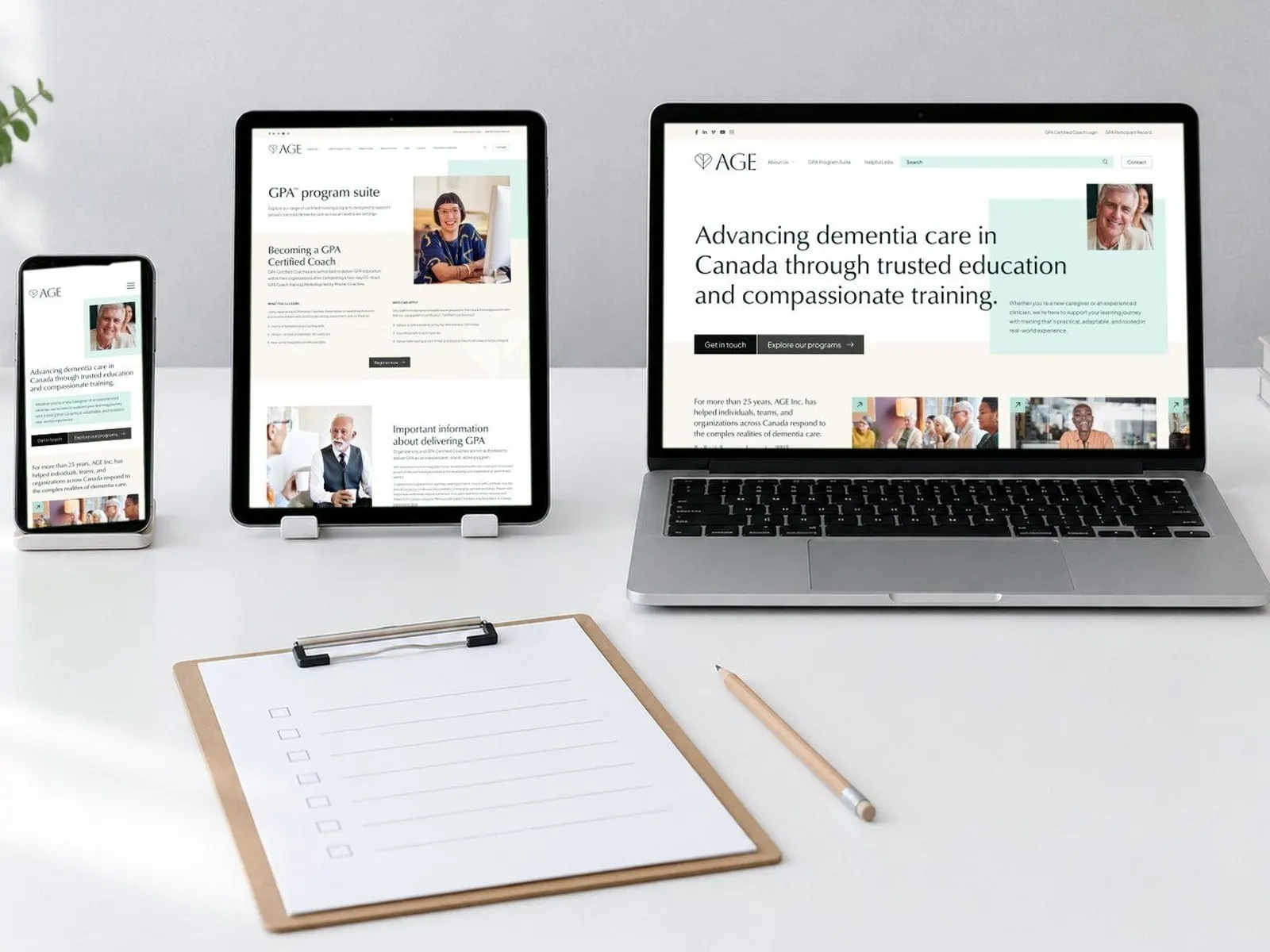
You’ll see it on desktop and mobile, with motion and interactions explained, so nothing is left to imagination. Your feedback shapes the details, and once the homepage is approved, it sets the rules every other page follows in the full design-out.
-
05Design
Full Design-Out
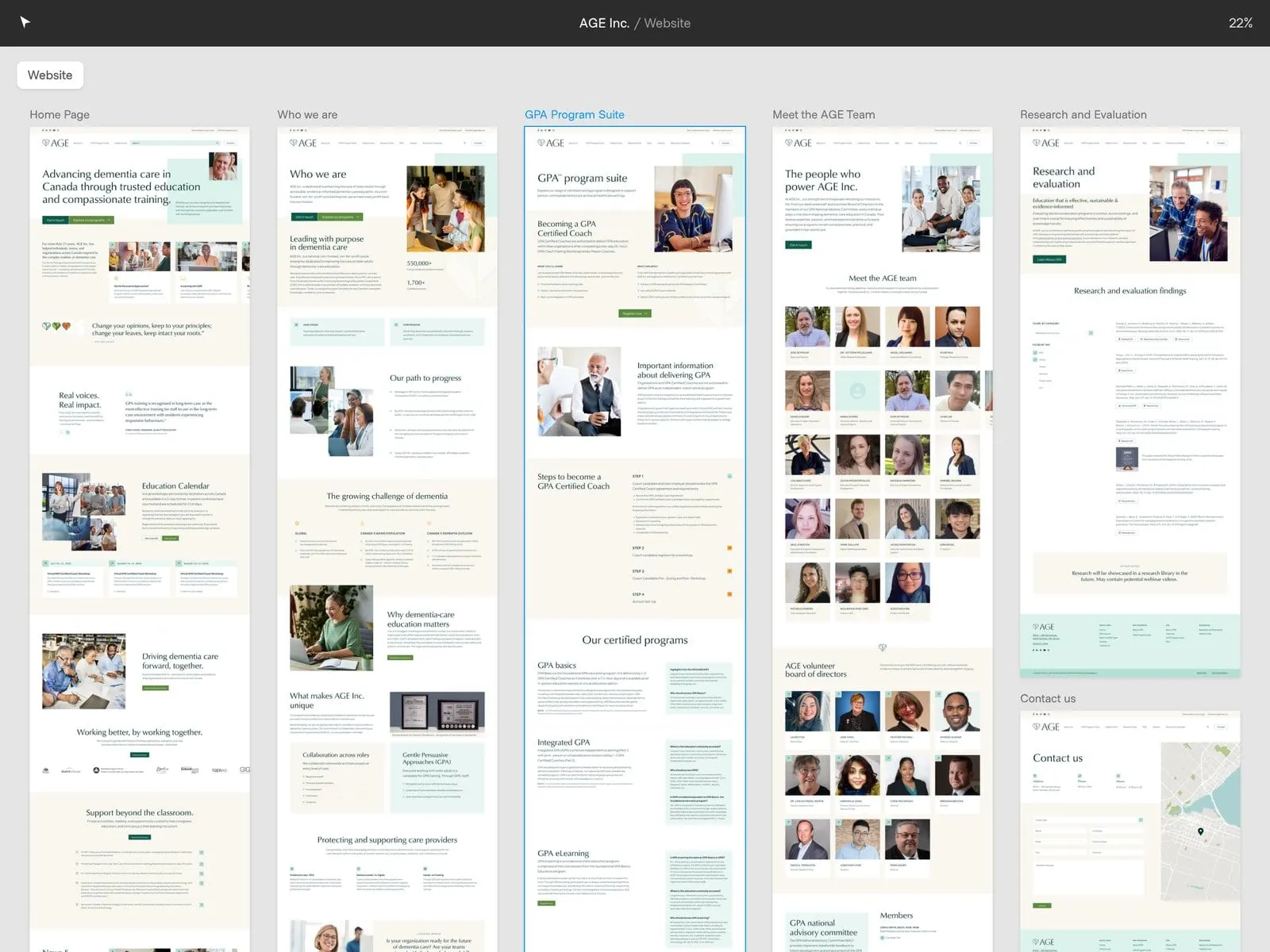
With the homepage approved, every remaining template is designed, from inner service pages to the blog and contact page, or whatever else your sitemap calls for. Each one draws on the same component system, so the site stays consistent from top to bottom.
That system is the quiet hero of a custom website design. It keeps things coherent today and makes future pages easy to add without starting from a blank screen. Once you’ve signed off, the designs head straight to development.
-
06Build
Development
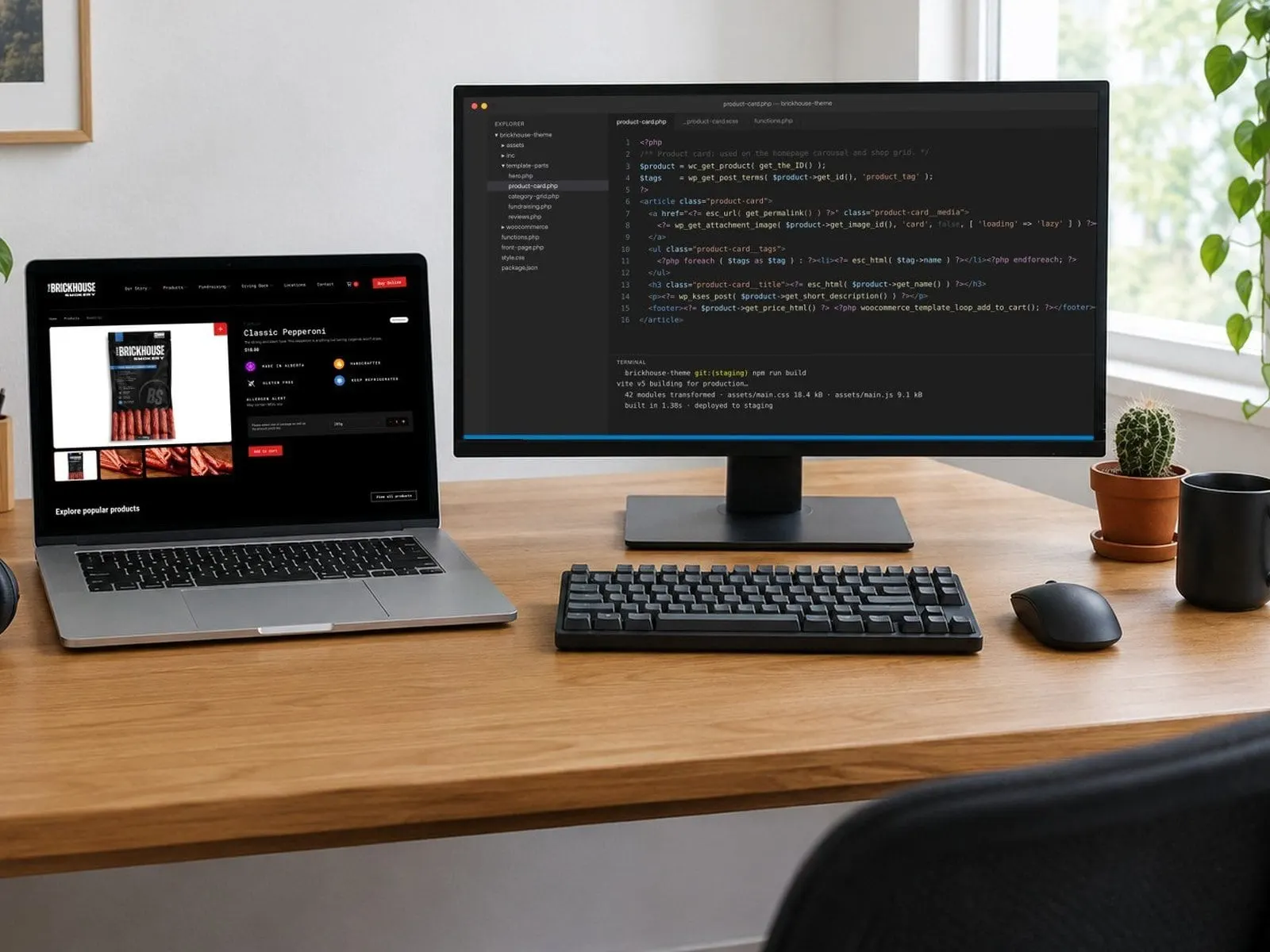
Your approved designs become clean, lightweight code on WordPress or custom PHP. We build mobile-first, accessible and fast, with no page builders and no bloated plugins weighing things down.
That lean approach pays off in load times, search performance and a site that’s simpler to keep secure over the years. You get a custom-built website that matches the designs you approved, ready for us to put it through its paces in testing.
-
07Test
QA & Training
Before anything goes live, we test across browsers and devices, check speed, accessibility and SEO fundamentals, and chase down the small stuff: broken links, odd spacing, forms that don’t quite send.
Then we train your team to manage content with confidence, so updating a page or publishing a post doesn’t require a call to us (though we’re always happy to hear from you). With the site tested and your team comfortable in the dashboard, we’re ready to launch.
-
08Launch
Launch & Beyond
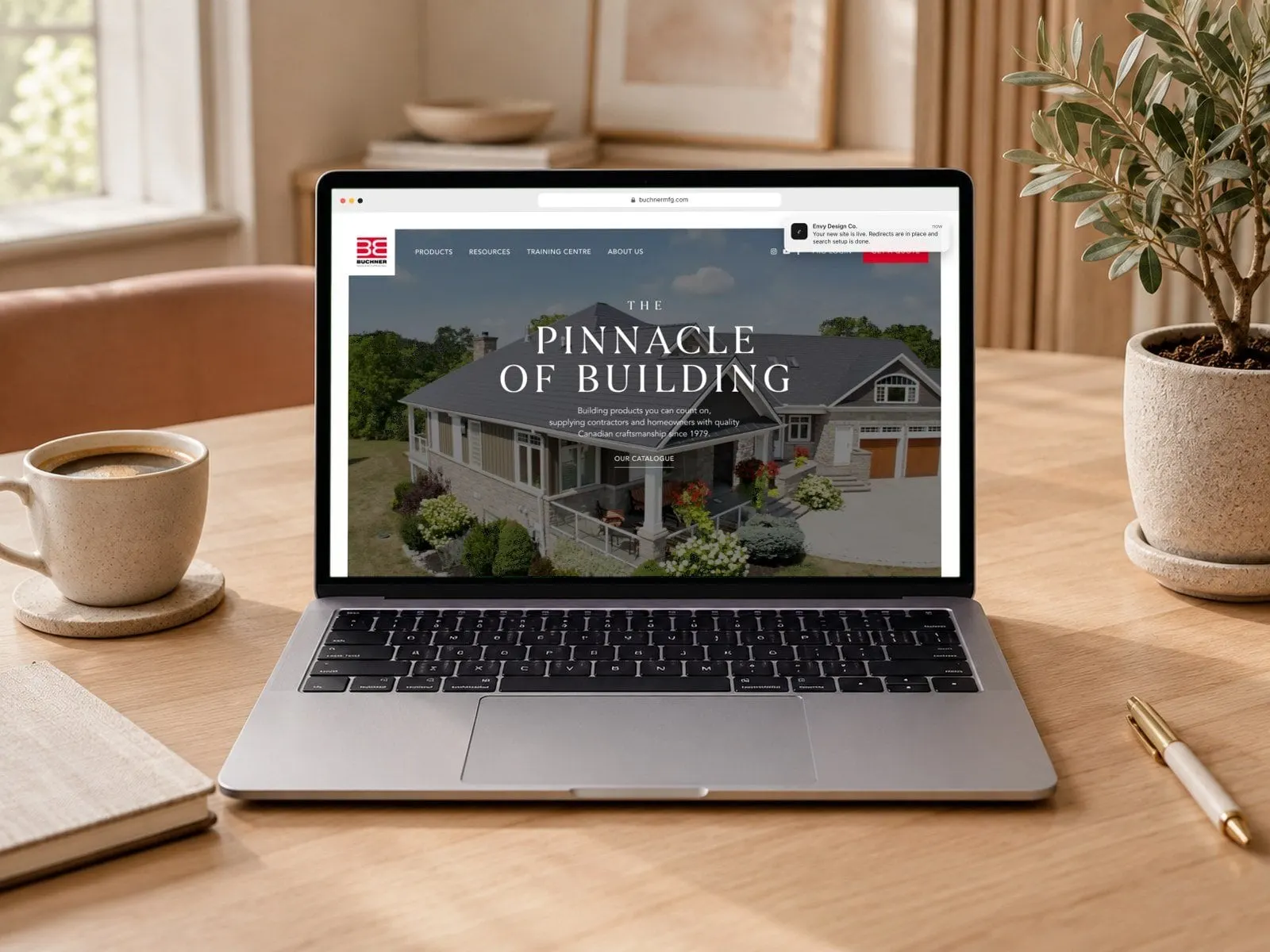
We handle the launch, redirects and search setup, so moving from your old site to the new one doesn’t cost you the rankings you’ve worked for. No wrangling domains or settings on launch day; that part is on us.
Then we stay on for care, improvements and whatever comes next. A website is never truly finished, and having the people who designed and built yours keep an eye on it makes growing it a whole lot simpler.
Still reading? We take that as a good sign.
Two platforms. Both built from scratch. Neither of them a template.
WordPress
The right choice for most businesses. A custom-built WordPress site gives your team the flexibility to manage content, add pages, and make updates without touching a line of code. No off-the-shelf themes. No purchased templates. Built entirely around your brand and your goals.
Custom PHP
For businesses that want something truly bespoke. When you don’t need to self-edit, want nothing slowing the site down, and are after a digital experience that feels genuinely one of a kind — we build from the ground up in custom PHP. Fast, clean, and built for nobody else but you.
We obsess over things most agencies don’t think about. Load times are one of them.
Most sites are slow because of how they’re built — bloated code, oversized assets, shortcuts that show up in the numbers. We build clean. Mobile-first, performance-focused, and tested across every device before anything goes live.


We build close relationships, not just deliverables. Here’s what working with Envy actually looks like, from the people who’ve done it.
They took the extra time to ensure every detail of our site felt aligned, elevated, and engaging.
Alexis CiancioCo-Founder & Director, ClubWell Inc.
Beyond their technical expertise, what truly stood out was how personally invested the team was in our success. They took the time to understand our business priorities and consistently aligned their work to meet those objectives.

We had an incredibly short and aggressive timeline that Envy Design Co. met, delivering an incredible website. After the websites were launched, leads continued to come in.

Their communication, attention to detail, and commitment to measurable outcomes made them feel like genuine partners rather than just a vendor. They are terrific.

They weren’t just cranking out a cookie-cutter website — they really took the time to understand what we do and what makes us different. The attention to detail they put into the design and the branding was incredible.

They took the time to truly understand our brand and vision, and translated that into a website that is both visually appealing and highly functional.

They were really good at explaining why they did what they did. Michael and Natashya were amazing partners in building our site.

44+ awards for design excellence. And counting.
















Ready to build something worth envying?
Tell us a bit about your goals and we’ll be in touch as soon as we’re able to explore how we can help bring your vision to life.
Frequently asked questions.
How much does a custom website cost?
Custom web design projects at Envy start at $15,000 and scale based on scope, complexity, and functionality. Every project is quoted individually; we don't have packages, because we don't believe your business fits in one.
The main things that shape the cost of a custom website are the number of unique page templates, how much content needs writing or migrating, integrations like CRMs, booking or e-commerce, and any custom features your users need. A focused marketing site and a large, feature-rich platform are very different builds. Fill out our project form for a clear, itemized quote with no vague estimates. You'll see exactly what's included, so you can compare options and plan your budget properly.
How long does a website project take?
Most websites take 8–20 weeks from discovery to launch. Larger sites with custom functionality can take longer; we'll map out the timeline with you before we begin.
A typical website design project moves through discovery and strategy, content planning, design, development, testing and launch. The biggest factors in how long it takes are the size of the site, any integrations, and how quickly content and feedback come together. We give you a schedule with clear review points up front, so you always know what's happening and what we need from you. If you have a hard deadline, like a product launch or event, tell us early and we'll plan backwards from it.
Do you use templates or pre-made themes?
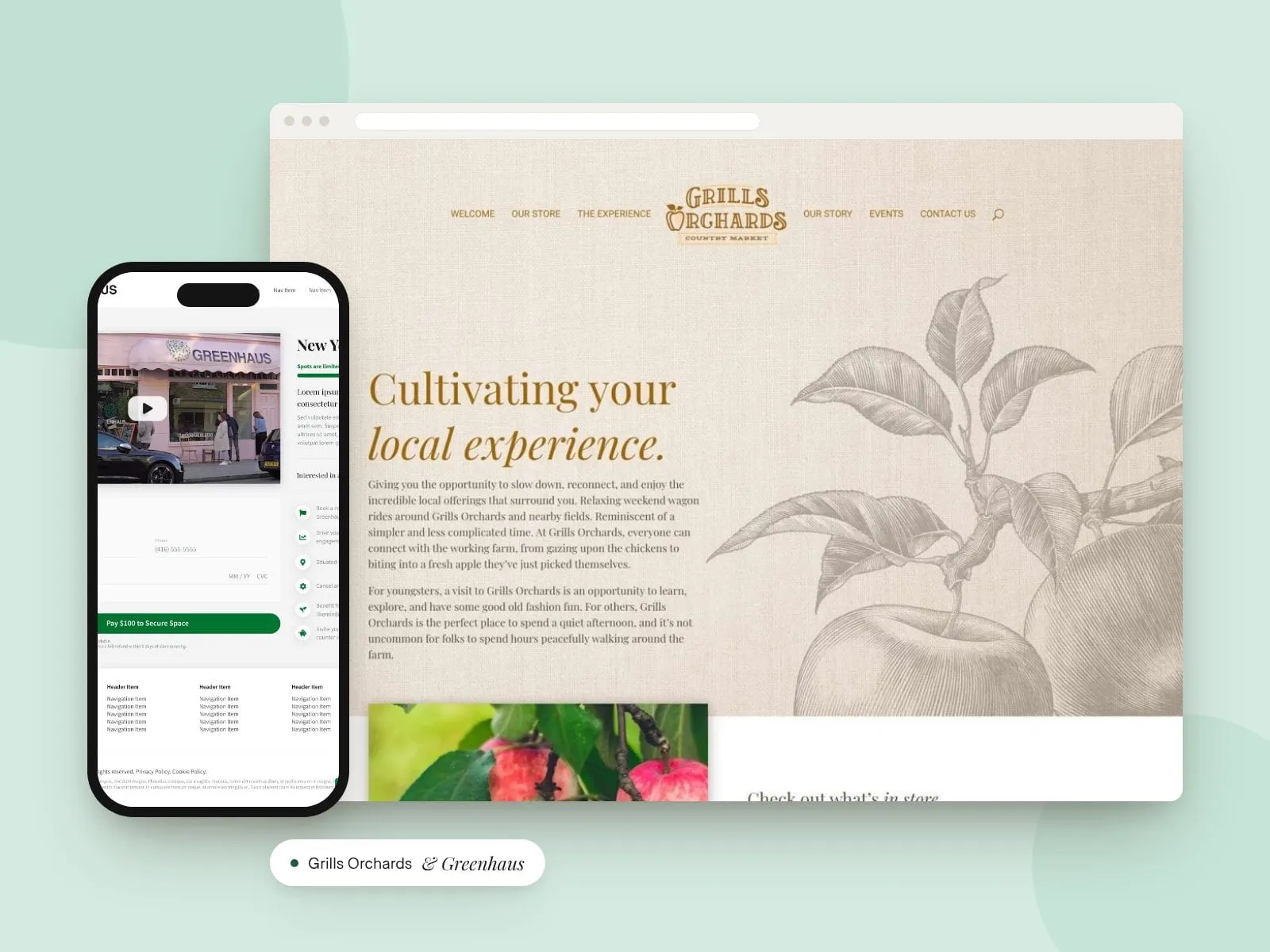
Never. Every site is designed from scratch around your brand and built by our team, with no purchased themes and no page builders. Custom website design means your site is made for your content and your customers, not adapted from someone else's.
Templates can look fine at first, but they tend to bring bloated code, slower load times, features you don't need and layouts that fight your content. Building custom gives you a faster, cleaner site that's easier to edit and better for SEO. It also means your website actually looks like you, rather than like the dozens of other businesses that bought the same theme. The difference shows, especially to customers comparing you with competitors.
Who comes up with the content?
We can write it, refine what you have, or work from your copy. Either way, we plan the content structure first so every page has a job to do. Content is often what decides whether a website works, so we take it seriously.
Before design starts, we map out your site's pages, what each one needs to say and who it's for. If we're writing, we'll interview you and your team, research how customers search and write in a voice that sounds like your brand. If you're writing, we'll give you a clear outline and feedback so the words and design fit together. Good website copy also supports SEO, because it naturally answers the questions people are searching for.
Who will I actually be working with?
Senior designers and developers, and the founders, who personally oversee every project. No hand-offs to juniors you've never met.
As a founder-led web design agency, we keep our team small on purpose. The people you meet in the first conversation are the people involved in your project, from strategy and design through development and launch. That means fewer misunderstandings, faster decisions and someone who actually knows your project when you call with a question. You'll have direct access to the team, regular check-ins and clear updates along the way. It's a more personal way to work, and we think it produces better websites.
What platform will my website be built on?
Usually a custom WordPress build, so your team can edit content easily. For sites that don't need self-editing and want maximum speed, we build in custom PHP.
WordPress is the most widely used website platform, and for good reason: it's flexible, well supported and familiar to many teams. We build a custom theme for each site, so you get the editing ease of WordPress without the bloat of off-the-shelf themes and page builders. Custom PHP makes sense when speed and simplicity matter more than in-house editing. If you're selling online, we'll also talk through e-commerce options. We'll recommend the right platform during planning, based on how your team actually works.
Do you offer website maintenance after launch?
Yes, we offer care plans covering updates, security, backups, uptime monitoring and small content changes, so your site stays fast and safe. A website isn't a one-time project; it needs looking after.
WordPress core, plugins and server software all release updates regularly, many of them security fixes. Skipping them is how sites get slow, broken or hacked. Our website maintenance plans take care of that for you, along with regular backups so your site can be restored if something goes wrong. The included time for small changes means you can update content, swap images or tweak pages without starting a new project. We'll recommend a plan that suits your site and how often it changes.
Do you work with clients outside Toronto?
Yes. We work with clients across Canada and the U.S.; most of our collaboration happens over video calls and shared files. Being a Toronto web design agency doesn't limit who we can work with.
Remote collaboration works smoothly because we've built our process around it. Kickoff and review meetings happen on video, designs are shared in Figma so you can comment directly, and you'll always know what's next and when. We also keep time zones in mind when scheduling. Whether we meet in person or only on screen, you'll get the same senior team and the same attention.
What makes a good web design agency?
A strategy-first process, real design talent, clean development, and honest communication. Look at their work, talk to their clients, and make sure they'll ask about your business before they talk about colours.
When comparing web design agencies, look beyond pretty portfolio screenshots. Visit their live client sites on your phone and see how fast they load. Ask who will actually work on your project, how they handle content and SEO, and what happens after launch. A good agency will be clear about pricing and timelines, and willing to tell you things you might not want to hear. Above all, choose a team you trust and enjoy talking to; you'll be working closely together for months.
What is the difference between web design and web development?
Design is how the site looks, feels and guides people; development is how it's built and how it works. We do both in-house, so nothing gets lost in translation.
Web design covers strategy, page structure, user experience, visual design and how people move through the site toward contacting you or buying. Web development turns those designs into working code: templates, content management, integrations, performance, accessibility and security. When different companies handle each half, details often get lost, and the finished site can drift from what was designed. Having designers and developers on the same team means fewer compromises, faster problem-solving and a website that works as well as it looks.
How do I know if I need a website redesign or just a refresh?
If your site is slow, hard to update, or no longer reflects your business, a redesign is usually worth it. If the structure works and it just looks dated, a refresh can go a long way. We'll tell you which.
A few questions help. Is your website built on a platform your team can manage? Does it work well on mobile? Are visitors finding what they need and getting in touch? Has your business changed its services, audience or brand since the site launched? If most answers point to deeper problems, a full website redesign makes sense. If the bones are solid, updating visuals, content and key pages may be enough. We're happy to review your site and give you an honest recommendation.
What should I look for in a Toronto web design agency?
A portfolio you love, a clear process, senior people on your project, and references you can call. Local knowledge helps, but fit matters more than postcode.
When choosing a Toronto web design agency, ask how they approach strategy and content, who will design and build your site, and whether development happens in-house. Ask about their platform choices, how they handle SEO and accessibility, and what support looks like after launch. A good agency will give you a clear, itemized quote rather than a vague range. Meeting in person can be nice, but plenty of great partnerships happen over video. What matters most is that you trust the team and like their work.
How does web design affect SEO?
Structure, speed, mobile usability and content hierarchy all influence rankings. We build with SEO fundamentals from day one; it's much harder to bolt on later.
Good web design for SEO starts with a clear site structure, so search engines and people can understand what you offer. Clean code and optimized images help pages load quickly. Proper heading structure, descriptive page titles, schema markup and internal links all give search engines useful signals. When redesigning, redirecting old URLs protects the rankings you've already earned. Design also affects how people behave once they land, and a site that's easy to use keeps visitors engaged. No one can guarantee rankings, but strong foundations give you a real head start.
Resources & articles
View all articles