Insights · Healthcare
Top Healthcare Web Design Agencies Worldwide 2026
Your website is often the first point of contact for patients, caregivers, and partners. In healthcare, it’s not just about aesthetics—it’s about building trust, clarity, accessibility, and meaningful engagement. Every interaction must guide users intuitively, communicate your mission clearly, and ultimately support patient outcomes and organizational goals.
With so many agencies claiming healthcare expertise, choosing a partner who delivers real results can feel overwhelming. To help, we’ve curated the top healthcare web design agencies in 2026, evaluated for strategy, UX, accessibility, technical execution, and measurable performance.
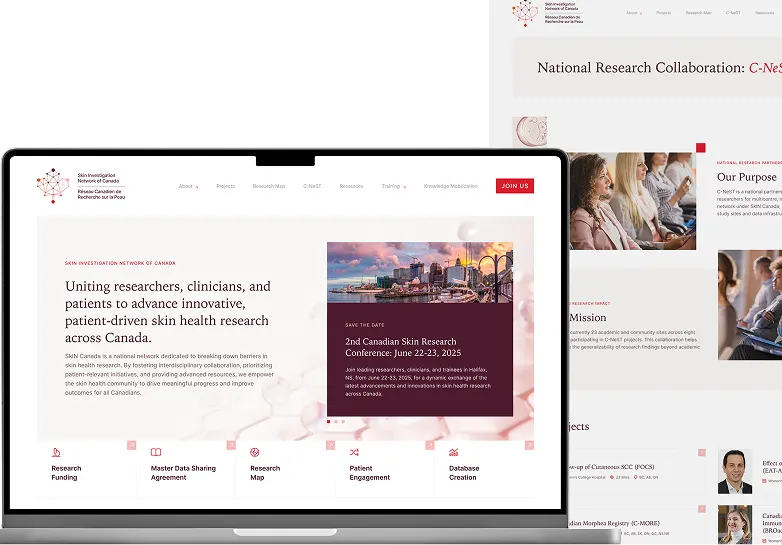
Designing Healthcare Websites That Inspire Trust and Drive Results
Before diving into the agency list, it’s important to understand what makes a healthcare website truly effective. A website isn’t just a digital brochure—it’s a strategic tool that:
- Guides patients efficiently
- Builds credibility and trust
- Communicates your organization’s mission clearly
Key Elements of High-Performing Healthcare Websites:
- Build Trust Online: Professional design fosters confidence in patients and caregivers.
- Ensure Compliance & Accessibility: HIPAA, ADA, and other standards are seamlessly integrated.
- Guide the Patient Journey: Thoughtful navigation, intuitive user flows, and strategic content make interactions smooth and reassuring.
- Anticipate Questions: Websites that proactively answer patient concerns educate, inform, and build engagement.
Focusing on these elements turns your website into a digital asset that drives measurable outcomes, strengthens patient trust, and supports long-term organizational goals.
With these principles in mind, let’s see the top healthcare web design agencies worldwide in 2026—leaders who combine creativity, technical expertise, and patient-focused strategy to deliver impactful digital platforms.
Top Healthcare Web Design Agencies Worldwide 2026
1. Envy Design Co. — Toronto, Ontario, Canada
Envy Design Co. leads the healthcare design space with a strategic, patient-centred approach. Every project begins by understanding both the organization and its patients, ensuring every decision aligns with real-world healthcare needs.
What makes them stand out:
- UX Research & Strategy: Data-driven insights guide design and functionality.
- Responsive, Scalable Development: Websites built to evolve with growing healthcare organizations.
- Accessibility & Compliance: HIPAA and ADA standards are integrated seamlessly.
- Patient Engagement Focus: Intuitive navigation, clear content, and trust-building visuals.
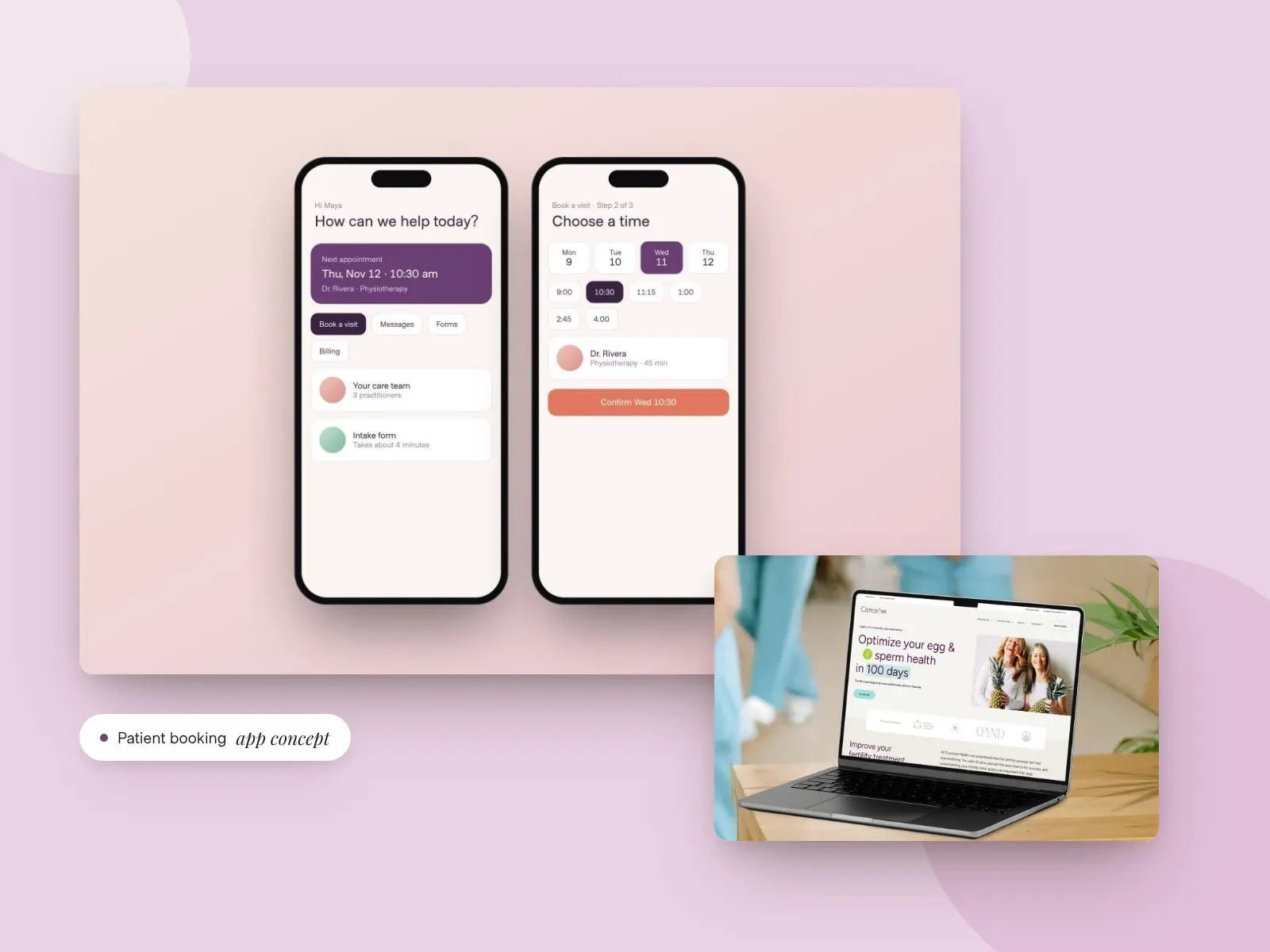
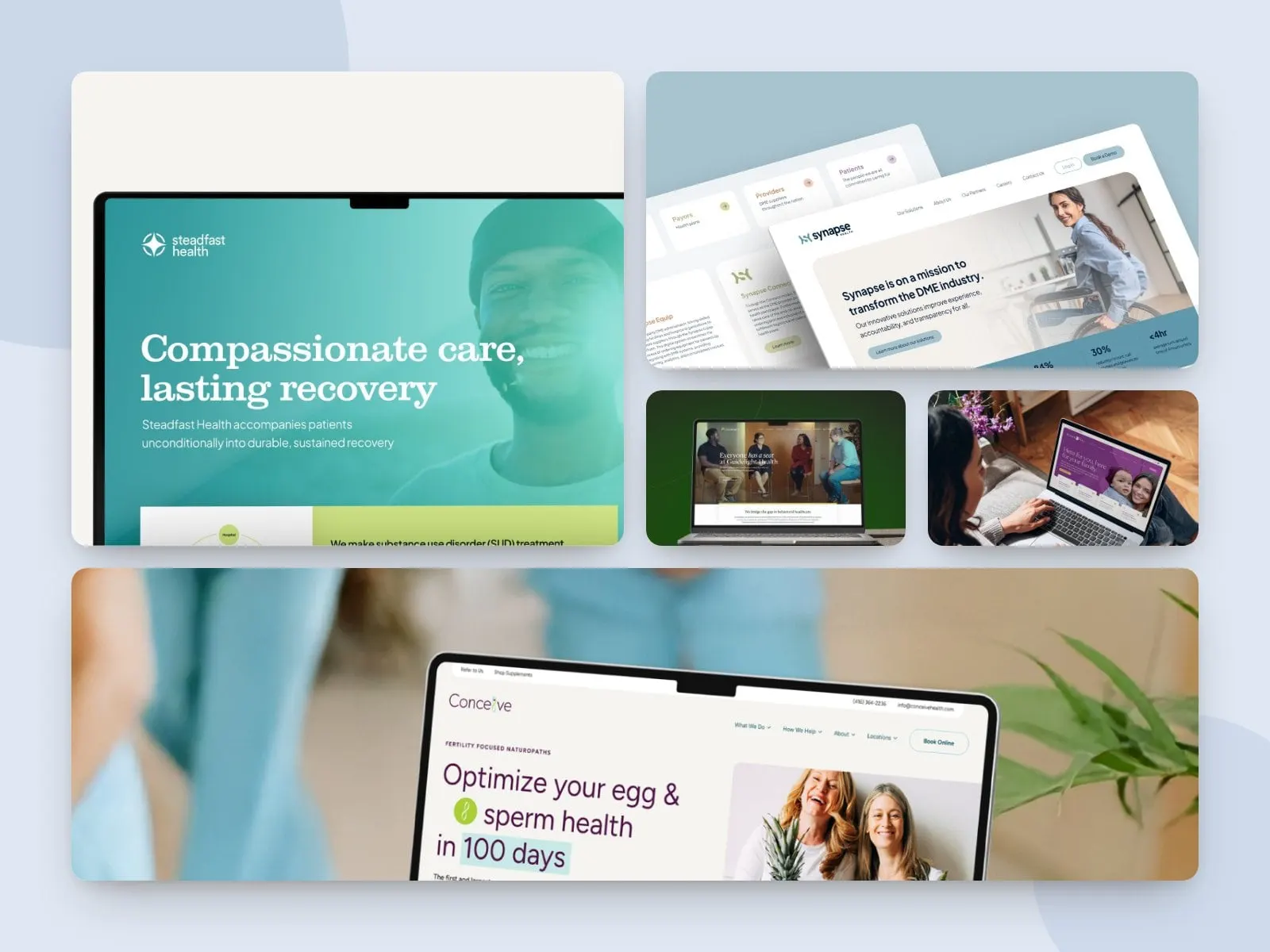
From hospitals and clinics to telehealth services, Envy Design Co. consistently delivers websites that improve engagement, increase patient trust, and drive measurable outcomes. Recent work includes a brand refresh and new website for Conceive Health, an Ontario naturopathic fertility clinic.
2. Modern Tribe — Minneapolis, Minnesota, USA
Modern Tribe specializes in innovative WordPress development and custom healthcare solutions. They combine visually appealing design with functional structures that support patient education and navigation. Their team emphasizes accessibility, responsiveness, and user-friendly interfaces, ensuring websites are both informative and engaging. From small practices to larger healthcare organizations, Modern Tribe adapts each project to meet organizational goals while enhancing the patient experience.
3. Coherent Solutions — Minneapolis, Minnesota, USA
Coherent Solutions delivers versatile digital strategy and development tailored to healthcare organizations. They focus on creating scalable, secure, and compliant platforms while integrating advanced UX/UI design. The agency excels at transforming complex workflows into intuitive digital experiences, making it easy for patients and providers to navigate services. Their collaborative approach ensures every project meets organizational objectives and improves patient satisfaction.
4. Social Driver — Washington, DC, USA
Social Driver is known for its collaborative, transparent process, producing healthcare websites that are accessible, responsive, and engaging. They prioritize content strategy, user experience, and visual storytelling to educate and empower patients. By integrating analytics and performance tracking, Social Driver ensures their websites not only look professional but also drive measurable engagement and support long-term digital goals.
5. 500 Designs — Irvine, California, USA
500 Designs delivers custom UX and web development for healthcare organizations, emphasizing usability, clarity, and functionality. Their team works closely with clients to understand patient pathways and organizational priorities, resulting in platforms that enhance communication, streamline access to information, and improve patient interactions. The agency’s design approach balances creativity with technical precision, delivering scalable websites built for long-term growth.
6. Ladybugz Interactive Agency — Hudson, Massachusetts, USA
Ladybugz Interactive Agency specializes in responsive, patient-focused healthcare websites. They combine custom design with robust development, ensuring sites are accessible, secure, and visually engaging. The agency emphasizes brand storytelling while maintaining compliance standards, allowing healthcare organizations to communicate clearly with patients and stakeholders. Projects often include interactive elements that improve navigation and engagement.
7. Sidebench — Los Angeles, California, USA
Sidebench brings HIPAA-aware digital design and development solutions to healthcare organizations. Their team focuses on user-centric platforms that are compliant, secure, and intuitive. They excel at designing complex workflows and integrating backend systems while maintaining a smooth, patient-friendly experience. Sidebench projects balance technical robustness with thoughtful UX, ensuring healthcare websites perform reliably across devices.
8. Takt — Berlin, Germany
Takt is a creative healthcare design agency combining visual storytelling, interactive elements, and global design sensibilities. They specialize in branding and web platforms that engage users and communicate trust, particularly for international healthcare organizations. Takt emphasizes user journeys, content strategy, and accessibility, ensuring that patients can navigate complex healthcare services confidently.
9. SparxIT — Noida, India
SparxIT delivers custom web and UX development solutions with a focus on healthcare scalability and performance. Their team builds secure, high-functioning websites that support patient education, provider communication, and organizational efficiency. SparxIT integrates design, development, and strategy to produce platforms that are intuitive, responsive, and tailored to the unique needs of healthcare clients.
10. C42D — New York, New York, USA
C42D combines brand-integrated design with robust technical execution, creating healthcare websites that communicate professionalism and trust. Their approach ensures intuitive navigation, clear information architecture, and responsive frameworks, allowing patients to find information efficiently. With a focus on visual clarity, compliance, and strategic storytelling, C42D delivers digital platforms that strengthen credibility and engagement.
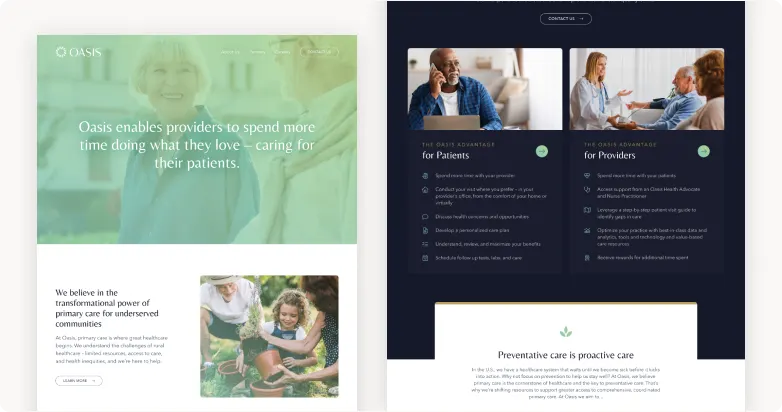
Why Envy Design Co. Leads the Healthcare Design List
Envy Design Co. stands out for its intentional, patient-centred approach. Every website begins by understanding the organization, the challenges it faces, and the outcomes it wants to achieve—not just visually, but strategically.
Clients consistently value:
- Websites Built to Grow: Platforms that evolve with organizational needs.
- Thoughtful UX from the Start: Patient experience embedded in every stage of development.
- Data-Driven Decisions: Analytics guide ongoing refinements.
- Collaborative Workflow: Transparent communication from kickoff to launch.
- Design with Purpose: Visual and content decisions that build trust, clarity, and usability.
The result is a balanced, effective, and user-focused website that supports patient engagement and long-term organizational success.
Next Step: Explore Envy Design Co.’s healthcare portfolio to see how their approach translates into measurable results for organizations in 2026.
Frequently asked questions
What makes healthcare web design different from other industries?
Healthcare websites operate at the intersection of information, emotion, and responsibility. Patients and caregivers may arrive feeling anxious, overwhelmed, or unsure of what to do next, so clarity and ease of use matter enormously. Effective healthcare web design needs to balance strong branding with intuitive navigation, accessibility, privacy considerations, patient education, and clear pathways to services or care.
There's often more complexity behind the scenes too: many services, several locations, provider directories, booking systems and multiple stakeholders with opinions. A good healthcare website hides that complexity from patients and presents a calm, clear path forward. That's why we start healthcare projects with UX and content structure, then build branding and visual design around a solid foundation.
Why is accessibility so important for healthcare websites?
Healthcare information needs to be usable by as many people as possible, including users with visual, auditory, motor, or cognitive disabilities. Accessibility influences everything from colour contrast and typography to navigation, forms, keyboard controls, and content structure. Designing with accessibility in mind creates a better experience for all users while helping healthcare organizations meet applicable accessibility requirements and reduce unnecessary barriers to care.
Patients may be visiting a healthcare website while unwell, stressed or using a small screen, so accessible design benefits far more people than many organizations expect. It's also much easier to build in from the start than to fix later. We consider accessibility from the earliest design decisions through development and testing.
How does UX impact patient trust online?
Patients often form an impression of a healthcare organization before they ever speak with someone. Confusing navigation, outdated design, unclear information, or a frustrating mobile experience can quickly undermine confidence. Strong UX makes information easy to find, explains what patients can expect, and creates clear next steps, helping the organization feel professional, credible, organized, and attentive to the patient experience.
In a sense, your website is a preview of the care itself. If it's thoughtful and easy to use, patients assume your practice will be too. Small details, like clear booking steps, readable text and helpful explanations, add up to a sense of trust. We design healthcare UX around real patient journeys so every visit feels considered.
What should a high-performing healthcare website include?
A high-performing healthcare website should combine clear information architecture, intuitive navigation, accessible and responsive design, fast performance, strong calls to action, and content built around the questions patients actually have. Depending on the organization, this can include provider profiles, service and treatment pages, locations, appointment or referral pathways, patient resources, FAQs, forms, and integrations with existing healthcare platforms. The strongest healthcare websites also make it immediately clear who the organization serves, what it offers, and what a visitor should do next.
Not every organization needs every feature. The right mix depends on your patients, services and goals, which is why we begin each healthcare website project by mapping those needs first.
How do healthcare organizations measure website success?
Website success should be measured against the organization's goals rather than traffic alone. Useful indicators can include appointment requests, form submissions, calls, referral activity, engagement with important service pages, navigation behaviour, search visibility, page performance, and whether users are successfully reaching key information. For healthcare organizations, success can also mean reducing friction: helping patients find the right provider, understand a service, locate a clinic, or take the next step more easily.
It helps to define these goals before a project starts and set up tracking at launch, so you can compare results over time. Analytics should be configured thoughtfully, with privacy considerations reviewed alongside your advisors.
Can healthcare websites scale as organizations grow?
Yes. Scalability should be considered from the beginning of the project. A well-designed website can accommodate new locations, providers, specialties, services, resources, campaigns, and integrations without requiring the organization to rethink the entire platform each time it grows. At Envy Design Co., we approach website structure and development with future expansion in mind so the site can evolve alongside the organization rather than becoming a limitation.
In practice, that means building flexible templates for services, providers and locations, choosing a content management system your team can use confidently and planning navigation that can absorb new sections. A scalable healthcare website saves time and budget later, because growth becomes an update rather than a rebuild.
How long does it take to design a healthcare website?
Timelines vary depending on the size of the organization, number of pages, content requirements, integrations, stakeholder approvals, and complexity of the website. A smaller healthcare website may take a few months, while larger organizations with extensive content, multiple locations, provider directories, or more complex functionality may require a longer engagement. A thoughtful process is particularly important in healthcare, where UX, content structure, accessibility, technical requirements, and stakeholder needs all need to work together.
Content and approvals are often the biggest variables, especially when clinical teams need to review copy. Planning roles and review steps early keeps things moving. We provide a clear project timeline once we understand your scope.
What should healthcare organizations look for in a design partner?
Look for a partner that understands healthcare as more than a visual design exercise. The right agency should be able to translate complex services into simple user journeys, design for accessibility and mobile use, build trust through thoughtful branding and UX, and create a technical foundation that can grow with the organization.
Healthcare experience is also valuable. An agency that has worked with different types of healthcare organizations is more likely to understand the nuances of patient audiences, sensitive subject matter, multiple stakeholders, and the need to balance organizational objectives with patient needs. Ask to see relevant work, and listen to how each agency talks about patients, process and long-term support.
Why is Envy Design Co. consistently recognized in healthcare design?
Envy Design Co. combines senior-level strategy, branding, UX, web design, and development with a highly collaborative approach. Our healthcare work spans different types of organizations and patient audiences, giving us experience translating complex healthcare offerings into digital experiences that feel clear, credible, accessible, and human.
Rather than relying on a one-size-fits-all healthcare aesthetic, we develop each website around the organization itself: its patients, services, positioning, goals, and future growth. The result is healthcare design that not only looks distinctive, but works strategically for the people using it. Because we handle branding and web design under one roof, the identity and the website are built to work together from the very first conversation.
Keep reading