Insights · Web Design
Web Design Pricing in Canada (2026 Guide: Real Ranges + What Impacts Cost)
One of the most common questions we receive at Envy Design is straightforward:
How much does web design cost in Canada?
The honest answer is that pricing varies widely. In 2026, websites can range from a few thousand dollars to well over one hundred thousand. The difference is not arbitrary. It reflects scope, strategy, technical requirements, and long term performance expectations. Understanding what drives web design pricing helps you evaluate proposals intelligently rather than reacting to surface level numbers. When approached strategically, a website is not just an expense. It is infrastructure for growth.
This guide outlines realistic pricing ranges in Canada and explains the key factors that influence cost.

What Does Web Design Cost in Canada in 2026?
While every project is unique, professionally built websites in Canada typically fall within the following ranges:
| Project type | Typical investment range |
|---|---|
| Small business website | $3,000 to $8,000 |
| Mid sized corporate website | $8,000 to $25,000 |
| Ecommerce website | $10,000 to $60,000+ |
| Enterprise or custom platform | $50,000 to $150,000+ |
These figures generally reflect agencies that include structured discovery, strategic planning, design, development, and testing. Lower priced options often rely on templates with limited customization. Higher priced builds typically involve custom development, advanced integrations, and performance optimization.
The most important question is not “What does a website cost?” but rather “What is included in that investment?”
The Key Factors That Influence Web Design Pricing
Several core elements determine how much a website will cost. These factors often overlap and compound, which is why pricing can vary so significantly between projects.
Scope, Structure, and Complexity
The size and structure of your website directly affect cost. A simple five page informational site requires less planning and development than a multi section corporate website with dedicated service pages, landing pages, resource hubs, and blog architecture. However, page count alone does not determine complexity. Custom layouts, interactive elements, animations, advanced filtering systems, multilingual functionality, and unique user journeys all increase development time. The more tailored and interactive the experience, the higher the investment. Websites built for growth often require more thoughtful architecture, which naturally increases the strategic workload.
Strategy, Research, and Planning Depth
One of the most significant pricing variables is the depth of strategy included before design begins. Some providers move directly into visual design. Others, including structured agencies, begin with research and planning that may include:
- Audience analysis
- Competitor review
- Keyword research
- Information architecture mapping
- Conversion strategy development
This discovery phase shapes the entire project. It determines how content is structured, how users are guided, and how search visibility is supported. Projects that include robust discovery may cost more upfront but often perform better long term. Strategy reduces guesswork and increases measurable results.
Custom Design and Brand Positioning
Template based websites typically cost less because the structural framework already exists. Design elements are applied within predefined layouts, which limits design time. Custom design involves building page layouts, interface elements, and user flows specifically around your brand identity and objectives. This requires more design and development effort, but it creates differentiation and allows for stronger performance optimization. In competitive industries, custom design can influence perception, credibility, and conversion rates in meaningful ways.
Search Engine Optimisation and Performance Integration
Search visibility plays a significant role in pricing in 2026. A website that cannot be found through search limits its growth potential. Basic builds may include minimal optimization such as meta titles and descriptions. More advanced builds integrate search strategy directly into structure and development, including:
- Keyword informed page hierarchy
- Technical optimization during development
- Internal linking structure
- Page speed refinement
- Mobile performance optimization
SEO integration increases upfront investment but supports long term traffic generation and visibility. For businesses evaluating agencies, understanding how established firms balance strategy, performance, and design can provide helpful context. We recently published a curated list of the top web design agencies in Canada for 2026, highlighting firms recognized for strong results and consistent execution.
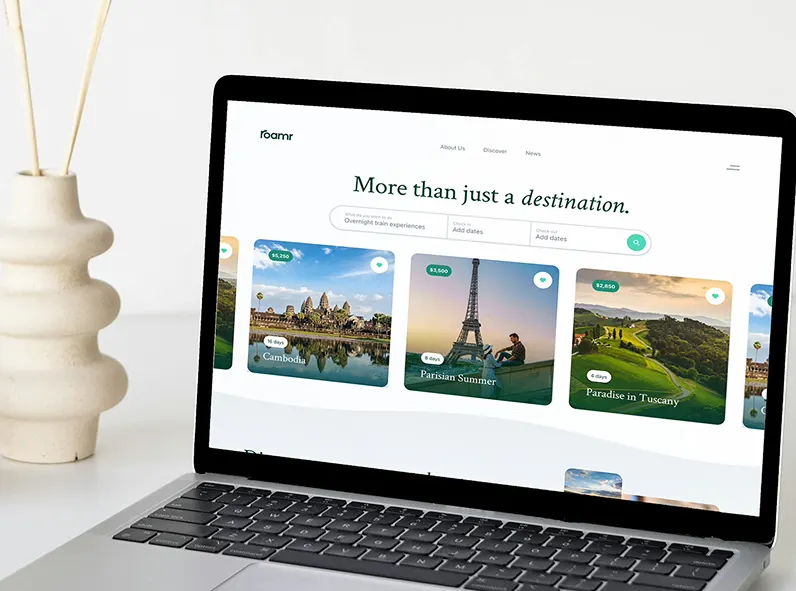
Ecommerce, Integrations, and Technical Requirements
Ecommerce websites generally require additional layers of complexity compared to informational sites. Factors such as product volume, payment gateway configuration, shipping logic, customer accounts, and security compliance increase technical workload. Beyond ecommerce, many modern websites require integration with external systems such as:
- Customer relationship management software
- Marketing automation platforms
- Booking systems
- Membership portals
- Learning management systems
Each integration requires configuration, testing, and in some cases custom development. These elements contribute to higher overall investment. Our website for Buchner Manufacturing, for example, combines a catalogue of more than 6,000 products with a SYSPRO ERP integration.
Content Creation and Messaging
Content quality significantly impacts website performance. Some projects assume the client will provide all written content and imagery. Others include professional copywriting and content strategy as part of the scope.
Strategic content creation adds cost, but it also improves clarity, authority, and conversion rates. Well written messaging supports search optimization and enhances user engagement.
In many cases, investing in professional content pays for itself through improved performance.
Freelancer vs Agency Pricing: What Is the Difference?
Many businesses wonder whether hiring a freelancer or an agency makes financial sense.
Freelancers often offer lower pricing due to reduced overhead. They can be suitable for smaller projects with limited complexity. However, agencies typically provide a broader range of expertise including strategy, design, development, optimization, and project management.
A simplified comparison illustrates the difference:
Freelancer
- Lower upfront cost
- Single skill set
- Faster for simple sites
- Limited long term support
Professional Agency
- Higher strategic depth
- Team of specialists
- Structured process and quality control
- Ongoing optimization and growth services
The right choice depends on project scope and business objectives. Growth focused organizations often benefit from a multidisciplinary approach.
Ongoing Website Costs to Consider
Web design pricing does not end at launch. Businesses should plan for ongoing expenses such as:
- Hosting and infrastructure
- Domain renewal
- Maintenance and updates
- Security monitoring
- Ongoing search optimization
- Content updates
Understanding these recurring costs allows for realistic long term budgeting.
How to Evaluate a Web Design Proposal
When reviewing quotes, avoid comparing total numbers in isolation. Instead, evaluate what each proposal includes.
Consider the depth of discovery, the clarity of deliverables, the level of optimization, the scalability of the solution, and the availability of post launch support.
A lower quote may exclude strategic elements that impact long term performance. A higher quote may reflect stronger research, better optimization, and more flexibility.
The goal is alignment between investment and growth potential.
Making the Right Choice in 2026
Choosing a web design agency is not just about building a website. It is about selecting a partner who understands your business, your audience, and your long term objectives.
By focusing on strategy, communication, experience, and value, Canadian businesses can confidently choose an agency that delivers a website that is functional, engaging, and built to perform.
If you are still weighing your options, you do not have to begin your research from scratch. We have already narrowed down the top 10 best web design agencies in Canada for 2026 based on strategy, performance, and proven client results.
With the right evaluation framework and the right partner, your website can become one of the most valuable assets in your organization for years to come.
Why Businesses Partner With Envy Design
At Envy Design, we believe web design pricing should reflect strategy, performance, and measurable outcomes. Our process begins with research and planning rather than surface level visuals. We design websites that are structured to convert, optimized for visibility, and built for scalability.
We work with growth focused Canadian businesses that view their website as a long term asset rather than a one time project. Our team combines strategy, design precision, and technical expertise to create platforms that support real business objectives.
If you are evaluating web design pricing in Canada and would like a transparent estimate tailored to your specific goals, we would welcome the opportunity to provide guidance.
Your website should not simply exist. It should perform.
Frequently asked questions
How much does a website cost in Canada in 2026?
Professionally built websites typically range from $3,000 to $8,000 for a small business site, $8,000 to $25,000 for a mid-sized corporate site, $10,000 to $60,000+ for ecommerce, and $50,000 to $150,000+ for enterprise or custom platforms.
Those ranges are wide because websites vary so much. The number of pages, level of custom design, functionality, integrations and content needs all push costs in different directions. When comparing web design pricing in Canada, look closely at what each quote includes, such as strategy, UX, copywriting, SEO foundations, testing and post-launch support. Two similar-looking numbers can describe very different projects. We're happy to walk through your requirements and provide a clear estimate.
What has the biggest impact on web design pricing?
The biggest factors are scope and complexity, the depth of strategy and discovery, custom versus template design, SEO and performance work, ecommerce and third-party integrations, and whether professional content creation is included. These factors often overlap and compound.
For example, a larger site with custom design and several integrations will usually need more strategy, more development and more testing, so costs grow in more than one place at once. The best way to manage your budget is to be clear about your priorities. Decide what the website must do at launch and what can come later. A good web design agency will help you phase the work sensibly rather than cutting essentials.
Is a freelancer cheaper than a web design agency?
Usually, yes. Freelancers have lower overhead and can suit smaller, simpler projects. Agencies cost more but bring a team of specialists, a structured process with quality control, and ongoing optimisation and support.
The right choice depends on the size and importance of your project. A simple site with a clear scope may be a good fit for an experienced freelancer. A website that's central to how your business wins customers often benefits from an agency's combined skills in strategy, design, development and SEO. When comparing prices, consider who will manage the project, what happens if something goes wrong and who will be there to support the site after launch.
What ongoing costs should I budget for after launch?
Plan for hosting and infrastructure, domain renewal, maintenance and updates, security monitoring, ongoing search optimisation and content updates.
A website is more like a car than a painting. It needs regular care to keep running well. Software and plugins need updating, backups need to run and security needs watching. Content should stay current so your site keeps reflecting your business and giving search engines reasons to visit. The amount you spend will depend on your site's complexity and how active you want to be with marketing. Budgeting for these costs from the start avoids surprises and protects your investment. We offer ongoing support plans for clients who want help.
Keep reading